



Maintaining acrylic dentures requires clinical skill that adapts to constant bone loss. While many practices default to quick relines, choosing the wrong method can ruin patient bite alignment.
Are you looking to optimize your clinical workflows? Contact AvaDent today to explore our advanced digital denture solutions.
The clinical choice of denture rebasing vs relining depends on the physical state of the current denture and the extent of bone loss. Denture relining is a direct process that adds new acrylic to the tissue side of the denture to improve fit without changing the bite alignment. In contrast, denture rebasing replaces the entire plastic base of the prosthetic while keeping the existing prosthetic teeth in their same position. According to clinical data from Mustansiriyah University, minor fit issues need a reline, while major bone loss needs a full rebase. Both procedures help practices avoid the high cost of making new dentures while saving valuable chair time for clinicians.
Knowing the differences between these two methods is vital for any dental clinic wanting to help patients and save chair time. To make the correct choice, clinicians must first look closely at each option. We begin by asking, What Is Denture Relining? The clinical comparison begins with
What Is Denture Relining?
Denture relining is a common clinical procedure used to fix fit issues as the patient's mouth changes. Over time, the bone under a denture shrinks, which makes the device loose. To understand this process and how it relates to broader maintenance, clinicians often compare denture rebasing vs relining. A reline focuses only on the tissue side of the prosthetic to make it fit well again.
Clinical Purpose and Indications
In practice, relining resurfaces the tissue side of a denture with new base resin to improve fit. This care improves the fit without changing how the upper and lower teeth meet. Clinicians use this path when the teeth are in good shape but the fit is poor. It keeps the teeth in their proper spot while making the base tight.
In some cases, this procedure serves a short-term need. Clinicians use a reline for short-term use or while healing sore oral tissues to help the fit of the current plate. This helps protect the gums during recovery. Once the tissues heal, the dentist can move to more stable, long-term options.
Soft Versus Hard Reline Materials
Dentists must choose the right agents for this work. In many dental clinics, dentists choose between different denture relining and liner materials to suit each case. The two main paths are soft and hard relines. Each option serves a clear clinical need based on the state of the mouth.
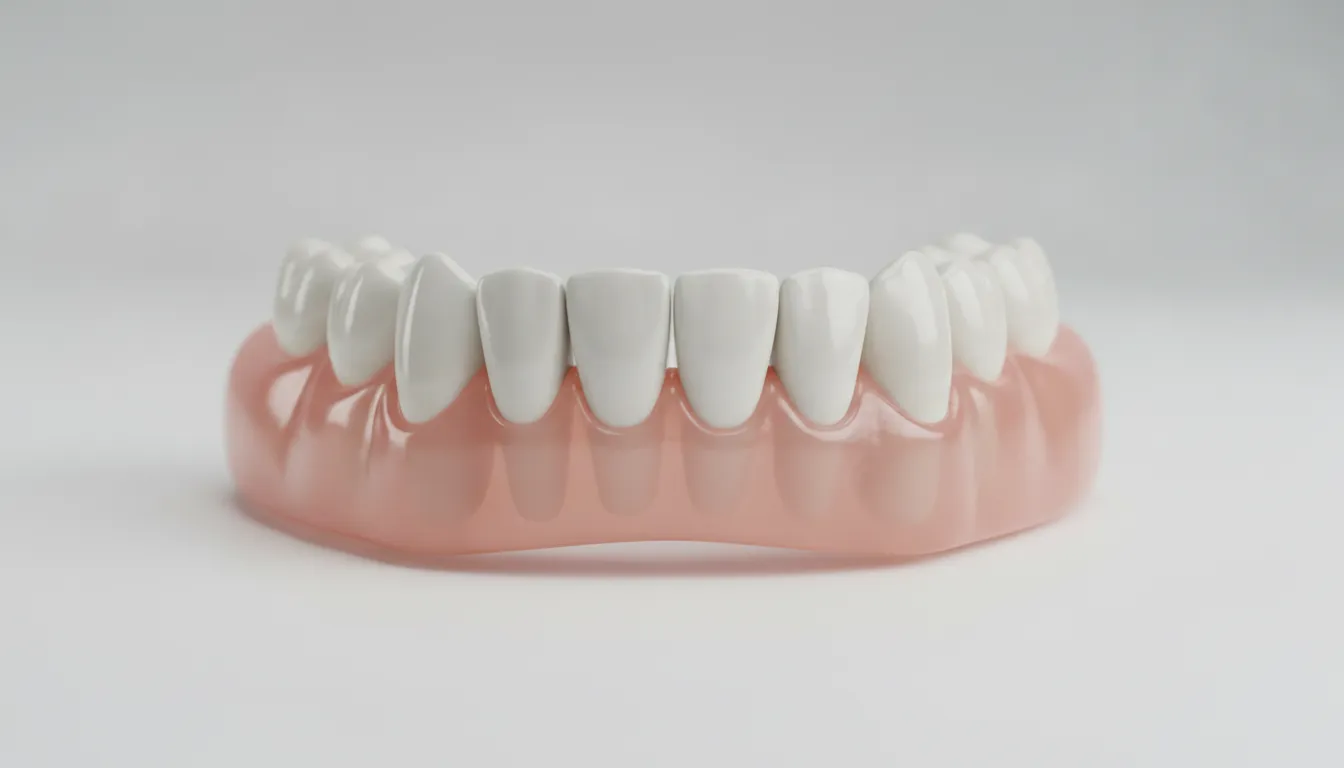
A soft reline uses a soft silicone resin that stays soft for months, which is best for patients with sensitive gums. It cushions the plate to stop sore spots. In contrast, a hard reline uses a firm acrylic resin to give a lasting surface. Dentists often send hard relines to a lab to ensure long wear.
Clinical Timeline and Practice Efficiency
The timing of a reline depends on when the patient got the teeth. For example, immediate denture patients often need relining three to six months after placement as the gums and bone heal and shrink. If a dentist does not refit the base, the plate will become loose. A quick reline solves this issue while the mouth heals.
From a business view, this care is highly efficient. Research shows that relining is a cost-effective and time-saving alternative to making new dentures. It reduces the number of patient visits and cuts practice costs. This helps dental clinics save chair time while giving patients a fast way to restore fit.
What Is Denture Rebasing?
In digital dentistry, keeping a proper fit is key to patient comfort. When a denture becomes loose or damaged, dentists must choose the right fix. A common choice is rebasing and relining for fit issues to restore comfort.
The Definition and Clinical Purpose
Denture rebasing is a specific lab process. In this procedure, the dentist replaces the entire denture base material of a denture. This is done without changing the occlusal relations of the teeth, as shown in studies from Mustansiriyah University.
This means the pink plastic part of the plate is fully remade. The teeth stay in their exact same spots to preserve the patient's bite, which makes this clinical step very helpful. By replacing the old acrylic, we remove stains, odors, and micro-cracks. This helps keep the oral tissue healthy and clean.
Indications for Indefinite Wear
When dentures are to be worn for an indefinite time, the tissue surface must be adapted well. A rebase procedure is the best choice for these long-term dentures. Relining is often for short-term use, but a rebase offers a permanent fix.
Over time, the mouth changes and the jawbone shrinks. A full rebase molds the base to the new shape of the ridge. This keeps the device stable for years.
There are other times when a rebase is needed, such as when the denture base has many cracks and a simple reline is not enough. Many past repairs can weaken the acrylic plate. Dentists also choose this method when the base becomes yellow or smelly from long use. In these cases, keeping the old teeth but swapping the base saves money for the patient.
Common reasons for a rebase include:
- Severe damage or many fractures in the acrylic base.
- The need for indefinite wear with a strong, new base.
- Deep stains or odors in the old base material that cannot be cleaned.
Lab and Chairside Approaches
Rebasing is almost always done in a dental lab, as you cannot easily do a full rebase at the chairside. The dentist must take an impression using the patient's existing denture as a tray. This impression is then sent to the lab where the lab staff does the heavy work.
The lab staff pours a model and mounts the denture to keep the teeth in place. They then cut away the old pink acrylic. New acrylic resin is packed and cured under heat and pressure.
This lab-cured process makes the new base much stronger than cold-cured chairside options. It ensures a dense, durable fit with fewer air bubbles. This is why lab rebasing is the standard for long-term clinical success.
Denture Rebasing vs Relining: Key Differences
When fixing a loose fit, knowing denture rebasing vs relining is vital for your clinical team. Both options help restore the fit, but they do so in different ways. Knowing these key details helps you make the right choice for each patient.
Treatment scope
Denture relining and rebasing have distinct structural limits. A reline is a quick way to update the fit. During a reline, you place new acrylic only on the tissue side of the base. This improves the fit without changing the occlusal relations of the teeth. This process keeps the current base.
A rebase is a larger change. It replaces the entire pink base with new plastic, but it does not change the teeth. This is useful when the base is weak or stained. You get a strong new base while keeping the teeth in the same spot.
Clinical fit indications
The main guide to choose between these two is the change in the mouth. Alveolar bone changes over time. If a patient has only minor fit changes, a reline is enough. But if the bone has shrunk a lot, you need a full rebase to fix the space. You can use rebasing and relining for fit issues to stop sore spots.
Clinical rules show that the scale of bone loss tells you which path to take. In cases with minimal to moderate fit changes, a reline works well. But when you see moderate to maximal fit changes, you must choose a rebase to solve the problem.
Workflow and material options
The workflow also differs between these two paths. You can do some relining work in your office. This chairside option uses a soft or hard liner material. To learn about liner types, you can review denture relining and liner materials online. A rebase, on the other hand, is always a lab task.
Because a rebase replaces the whole base, the lab must process it. This means the patient will be without their denture for a day or two. But it results in a strong, clean base that lasts much longer than a simple reline. Choosing the right path ensures the best outcome for the patient.
| Comparison criterion | Denture relining | Denture rebasing |
|---|---|---|
| Structural scope | Resurfaces tissue side only | Replaces entire pink base |
| Fit change indication | Minimal to moderate changes | Moderate to maximal changes |
| Longevity | Temporary to moderate term | Long term or indefinite wear |
| Clinical complexity | Low; can be done chairside | Moderate; requires lab work |
| Relative cost | Lower; highly cost-effective | Moderate; more than relining |
| Digital compatibility | Requires traditional impression | Easily duplicated from digital files |
This table shows how each method serves a clear clinical role. Relining is a great tool for fast, minor fixes. It keeps costs low and saves chair time. But for cases with major bone loss, rebasing is the best path to ensure the denture fits well over time. Both options help dentists manage their patients' needs with care.
How Do Clinicians Choose Between Denture Rebasing vs Relining?
Choosing between denture rebasing vs relining requires a clear clinical path. Dentists must look at how much the fit has changed and check the state of the oral tissues. Making the right choice helps save chair time and leads to better patient care.
Denture Base and Fit Assessment
The first step is to check the degree of fit loss and the state of the plastic base. Minor changes in fit are easy to treat, but major wear needs a different path. Dentists can use rebasing and relining for fit issues to stop sore spots before they start. If the base is cracked or stained but the teeth are still good, a full rebase is the best choice.
Oral Ridge and Tissue Health
Next, you must look at the patient's mouth. Severe bone loss or flabby tissues can make normal repairs fail. You need to make sure the gums are healthy before you take any final impressions. In some cases, you may need to use tissue conditioners. You can also ask the patient to leave the denture out for two days to let swelling go down. These steps are key to getting a precise fit.
Clinical Protocol and Patient Care
Last, dentists must weigh patient health and age against the need for new dentures. Elderly patients or those in poor health often do better with quick repairs rather than starting over. Using a set clinical plan helps you choose the right path for each patient.
- Assess fit and base strength. You must check the degree of fit loss to decide on the best treatment. Minimal to moderate changes in fit mean you should choose a reline. Moderate to major changes require a rebase, according to clinical guidelines.
- Evaluate ridge condition and tissue health. You cannot perform these repairs if the patient has a severely shrunk ridge or untreated flabby tissues. Gums must be fully healthy, which may require tissue conditioning before you proceed.
- Check occlusion and VDO. Look for signs of wear like looseness, sore spots, or poor chewing. You should also check for a loss of the vertical dimension of occlusion.
- Consider patient factors. Think about the patient's age and overall health. Older patients or those in poor health may struggle with the many visits needed for new dentures. These patients are prime candidates for quick repairs.
- Decide on reconstruction when needed. If you cannot stabilize the denture with border refining, do not try to reline or rebase it. You must also avoid these repairs if the bite is far out of line. In these cases, you must reconstruct the denture from scratch.
How Does Digital Denture Technology Simplify Reline and Rebase Workflows?
Proper prosthetic care is a key part of long-term success for patient treatment. When clinicians compare denture rebasing vs relining, they look for ways to make these tasks fast and smooth. Modern tools can change how clinics handle these needs. Digital denture workflows help teams manage these tasks with less chair time and more ease.
Inherent bone loss and digital precision
The alveolar ridge undergoes resorption with age, which means bone loss is sure to happen for all patients. Because of this change, dentures will in time lose their snug fit. This issue makes routine digital denture maintenance procedures needed to keep the prosthetic useful over time. A clinical study shows that this bone loss happens to everyone as they age (Jstage PRP).
Classic methods use manual impressions to capture these changes, which can lead to errors. In contrast, digital scanners and software map the mouth with extreme precision. This exact fit means less soreness and fewer visits for the patient. By tracking bone changes with digital tools, dentists can plan well when to reline or rebase a device.
Monolithic design and base durability
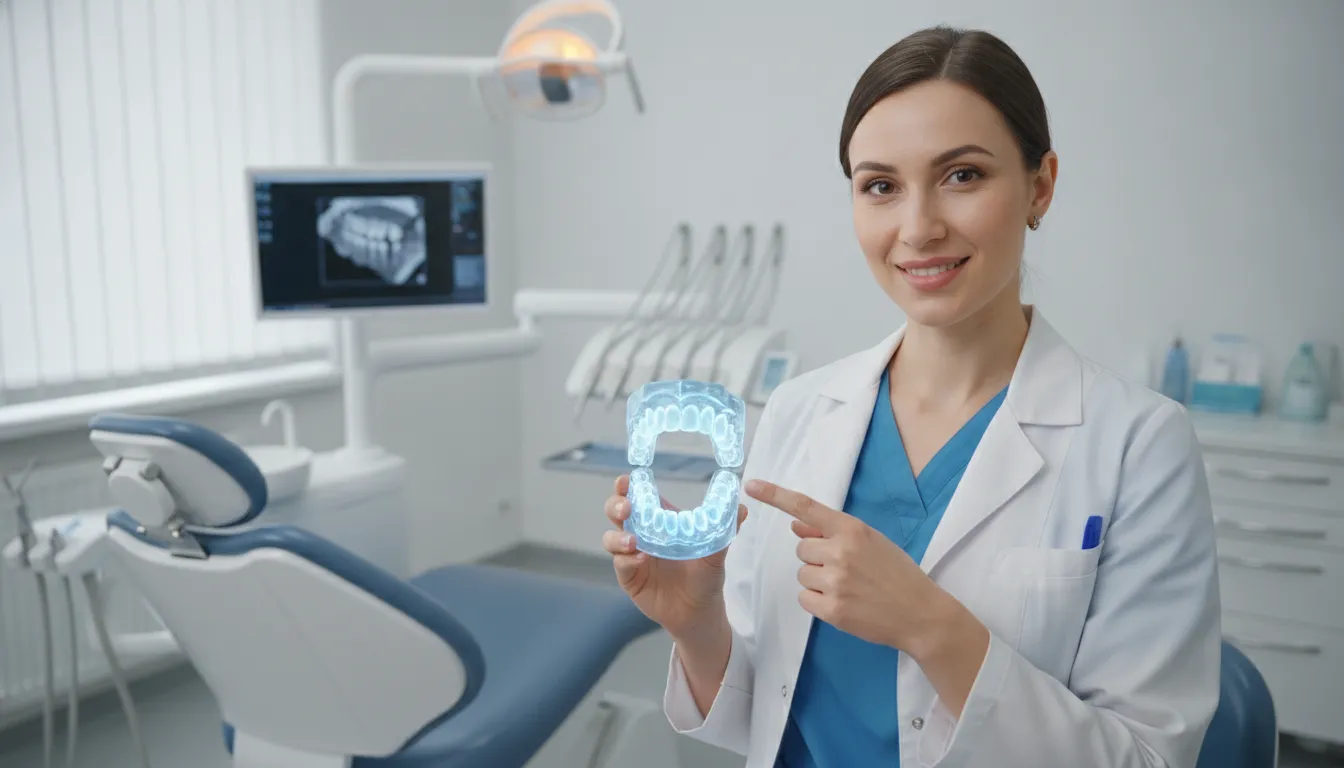
Most older dentures have teeth bonded to a pink base by hand, which can create weak spots. AvaDent uses a monolithic digital design where the teeth and base are milled from a single block. This method gives the device extreme strength. The stronger base resists cracks and warp during the daily stress of chewing.
This design also ensures no-popoff strength for the patient. Teeth cannot break away from the base because they are part of the same block. This strength reduces the need for urgent repairs. When a clinic uses a monolithic prosthetic, they see fewer urgent visits for broken teeth or cracked bases.
Stored files for rapid replication
One of the best parts of digital dentures is the use of stored records. In older clinics, if a denture is lost or badly broken, the dentist must start the whole process from the start. This needs many visits and lots of lab work, which frustrates the patient.
With digital records, the exact shape of the denture is saved in a secure file. If a patient needs a new base or a backup device, the lab can mill a replica in days. There is no need for new impressions or long visits. A research guide notes that when dentures are worn for a long time, the base must be properly adapted to the tissue (UOM Lecture).
What Are the Chair-Time and Cost Implications of Denture Rebasing vs Relining?
When looking at denture rebasing vs relining, both choices save chair-time, while building new dentures requires many visits. By contrast, relining is a quick way to fix a loose fit. Relining reduces patient visits and medical costs compared to making new dentures. This makes it a great choice for minor fit issues.
While relining is faster, the choice between denture rebasing vs relining depends on how much the mouth has changed. Rebasing replaces the whole pink base, which takes more lab time, while relining only adds a new layer. Even with this, both methods are much faster than making a new denture from scratch. They help clinics restore a stable fit with little hassle for the patient.
In most cases, a chairside reline is the fastest option, taking less than one hour in a single visit. On the other hand, a rebase is a more complex task. It must be sent to a dental lab, which means the patient may go without their denture for a day or two. Understanding these time differences helps clinicians choose the right approach for each patient's schedule.
Caring for Vulnerable Patients
Patient health is a key factor when planning these repairs. Making new dentures requires a long series of office visits that some patients cannot handle. For example, geriatric patients and those with poor systemic health are often unable to bear the physical stress of new construction. For these people, a quick reline or rebase keeps them well without the strain of many dental visits.
Workflow Gains With Digital Technology
Modern digital workflows make denture care much faster for the clinic. Plaster impressions are messy and often lead to errors. By contrast, digital scans are highly accurate, so the denture fits well with fewer changes. This is a key step in optimizing denture clinical workflow because it saves hours of chairside work.
Also, digital systems store the original design files in a secure cloud. If a patient loses or breaks their denture, the lab can mill a new one without taking new impressions. This file helps the dentist skip these steps when the base is too damaged. Using digital tools helps teams give fast care and lower overhead.
Ready to Simplify Your Digital Denture Workflow?
Sticking to slow, manual denture relining and rebasing methods costs your dental practice precious chair-time and turns away patients who want faster care. If you continue with old plaster workflows, you risk higher error rates, costly remakes, and lost revenue to modern clinics. Starting your digital transition today ensures you deliver precise, tough, monolithic dentures with fewer patient visits. Using these advanced clinical tools right now will streamline your lab tasks and boost your practice growth this month. You can protect your clinic margins, reduce chair-time, and make denture remakes a thing of the past.
Ready to get started? Call (480) 275-2736 to contact AvaDent to explore how digital denture solutions simplify relining, rebasing, and overall denture maintenance workflows.
Ready to elevate your prosthetic maintenance? Contact AvaDent online to learn more about our high-strength digital materials.
Frequently Asked Questions
Why do dentures lose their fit over time?
Alveolar ridge resorption with age makes it inevitable that dentures will lose their fit. According to a study in the Journal of Prosthodontic Research, this bone loss occurs even if patients use dentures. Dentists must reline or rebase the prostheses to restore fit and prevent tissue damage.
When is a denture rebase necessary instead of a reline?
A rebase is needed when the denture base is worn, damaged, or discolored, but the teeth are still in good shape. Academic guidelines from Al-Mustansiriya University show that relining is best for minor fit changes. Moderate to maximal fit changes require a full rebase to replace the entire acrylic base.
How does digital denture technology improve the maintenance workflow?
Digital dentures use stored CAD/CAM files that make maintenance simple. With AvaDent digital workflows, dental labs can access the original design data instantly. This eliminates the need for new impressions during a rebase and ensures a highly precise fit with minimal chair time. Contact AvaDent to learn more.
Can a dentist reline an immediate denture?
Yes. Patients who receive immediate dentures typically need a reline three to six months after their surgery. Clinical data published by Al-Mustansiriya University confirms that immediate denture patients are standard candidates for relining. This procedure adapts the prosthesis to the healing tissues as swelling goes down.