Digital Denture Technology for Predictable Prosthetics

AvaDent digital denture technology combines proprietary XCL materials, Computer Aided Engineering, Adaptive Occlusion software, and precision milling to help clinicians deliver stronger, more predictable removable prosthetics. The system is designed to turn complete denture records into reproducible digital designs, reduce distortion, and support efficient case planning from records to final delivery.

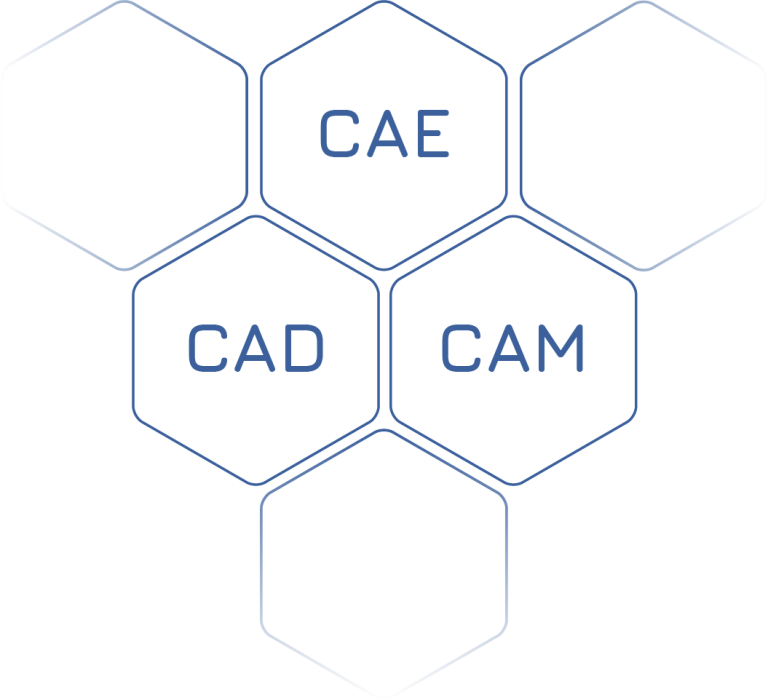
AvaDent's technology stack brings material science, denture design automation, and manufacturing quality control into one workflow. XCL material supports monolithic strength, CAE guides design and manufacturing decisions, and Adaptive Occlusion refines occlusal surfaces digitally before the denture is milled.

Planning a digital denture case? Review the digital denture workflow or ask AvaDent's clinical team which records and technology options fit your case.

Align Technology
Align Technology revolutonized the future of the orthdontic dental community with its digital dentistry much the way AvaDent products are revolutoninzing prosthetic dentistry with the predictability of achieving more consistent workflow.

Align Technology, inventor of the Invisalign product (a clear plastic orthodontics), did the unthinkable and marketed a dental product directly to the consumer to advance the notion that patients can be educated to demand a certain dental treatment that is more beneficial to their personal situation.

How AvaDent's Digital Denture Technology Works

AvaDent digital denture technology supports complete denture treatment from clinical records through final milling. Clinicians and laboratories can use the workflow to convert patient records into digital designs, apply Computer Aided Engineering, and manufacture milled digital complete dentures with reproducible fit and function.

The platform is built around XCL materials, Adaptive Occlusion, Signature Teeth, Computer Aided Engineering (CAE), and Digital Positioning Technology. Together, these technologies help reduce manual processing variables, support stronger low-porosity dentures, and connect treatment planning with clinical and scientific studies.

XCL Technology

Fully Milled Dentures
Using the power of Computer Aided Engineering (CAE), patented AvaDent eXtreme-Cross-Linked (XCL) materials, and precision milling, AvaDent produces fully milled, one-piece monolithic dentures. XCL denture material is designed to support strength, fit, and a low-porosity surface compared with conventional processed dentures.

For clinicians, the material choice matters because it connects digital design accuracy with a final prosthesis that can be reproduced from the stored case data.

Adaptive Occlusion

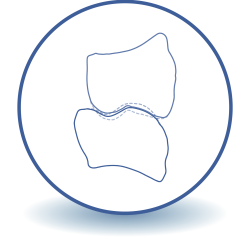
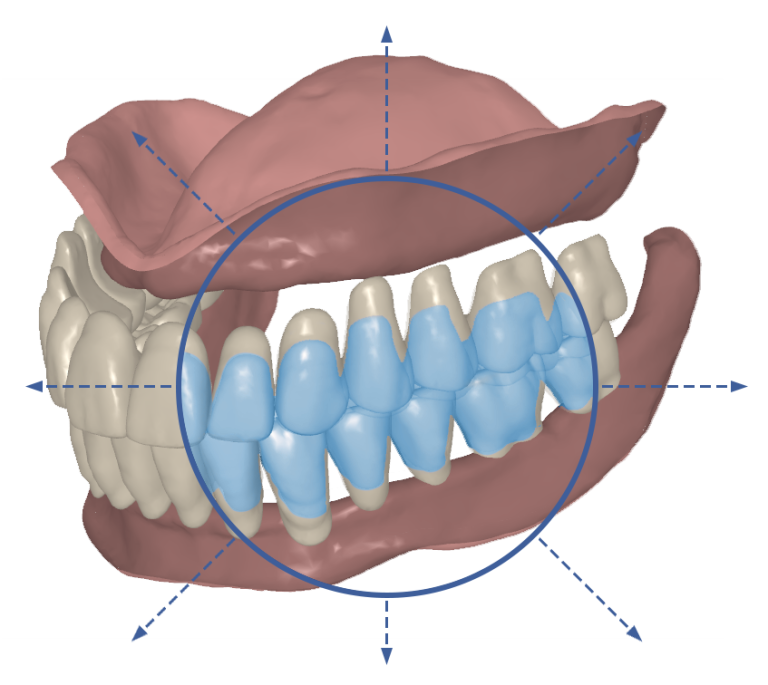
Adaptive Occlusion is AvaDent's proprietary software for dynamic digital articulation and equilibration. It adapts the surface of occluding teeth while preserving as much of the original tooth shape as possible, helping clinicians reduce chairside adjustments and support more predictable mastication.

The occlusion is engineered in software, then precision milling produces the same geometry at scale. AvaDent also 3D scans production output and digitally compares it to the original design file to help verify fabrication accuracy.
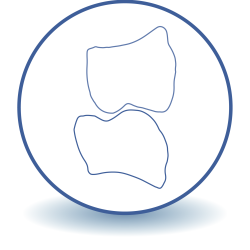
Initial Tooth SituationAdaptive OcclusionConventional Static Occlusion
Initial Tooth Situation
Adaptive Occlusion
Conventional Static Occlusion
Adaptive Occlusion

Signature Teeth

Signature Teeth is AvaDent's proprietary software for scaling the size and shape of individual teeth, pairs of teeth, or groups of teeth to create a natural smile design. Clinicians can use this software through AvaDent Dashboard and Set-Up Editor to refine esthetics while keeping the case within the digital workflow.
Signature TeethSignature TeethSignature Teeth

Computer Aided Engineering (CAE)

Computer Aided Engineering (CAE) describes AvaDent's software-driven approach to denture design and manufacturing. Instead of treating digital dentures as a simple CAD/CAM output, CAE helps translate clinical records into precise designs, guide manufacturing decisions, and support repeatable outcomes through the milling workflow.

Clinicians can pair CAE with the digital denture workflow to understand which records are needed before submitting a case.

Digital Positioning Tech

Digital Positioning Technology (DPT) is AvaDent's patented method for placing a bar in the prosthesis so the final design fits accurately without changing the planned geometry. This supports high accuracy and predictability for appropriate overdenture and implant-supported cases. For complex planning questions, clinicians can ask AvaDent's clinical team before submitting records.
Digital Positioning Technology

Digital Denture Technology FAQ

What is AvaDent XCL denture material?

AvaDent XCL, or eXtreme-Cross-Linked material, is a proprietary high-density PMMA material used for fully milled monolithic dentures. It is designed to support strength, fit, and a low-porosity surface compared with conventional processed dentures.

What does Computer Aided Engineering mean for dentures?

Computer Aided Engineering, or CAE, describes AvaDent's software-driven approach to denture design and manufacturing. It helps translate clinical records into precise digital designs that can be reproduced through the milling workflow.

How does Adaptive Occlusion help clinicians and patients?

Adaptive Occlusion is AvaDent's proprietary software for digital articulation and equilibration. It adapts occluding tooth surfaces in software before milling, helping reduce chairside adjustments and support more predictable mastication.

Which AvaDent pages should clinicians use before submitting a case?

Clinicians should review the digital denture workflow, clinical records requirements, and clinical studies pages. For complex cases, they can also use Ask the Experts to discuss record quality, treatment options, and case planning.
chevron-downchevron-up-circle
linkedin facebook pinterest youtube rss twitter instagram facebook-blank rss-blank linkedin-blank pinterest youtube twitter instagram