




A single mid-line fracture in an acrylic denture can compromise a patient's nutrition and confidence. Modern titanium reinforced dentures use an internal metal lattice to protect the prosthetic from failure while balancing lightweight comfort and resilience.
Explore AvaMax titanium-reinforced solutions for your next full-arch case.
What are titanium reinforced dentures?
Titanium reinforced dentures are high-performance prosthetics that use a hidden metal framework to increase the strength of the acrylic base. The rigid internal structure can support a thinner, lighter appliance while resisting heavy bite forces. Research on Ti6Al4V alloys describes properties that make titanium useful in dental applications, including high strain and a lower modulus of elasticity.
Titanium reinforced dentures are dental devices that include a metal frame inside the base material. This frame provides extra strength to the tool. In many cases, these dentures use a mix of advanced denture materials like high-density PMMA along with a rigid metal core. This design helps the denture hold up under the heavy force of chewing. It also prevents the common cracks seen in standard acrylic resin bases.
Adding a metal core does not make the device bulky. Modern digital tools allow for thin but strong metal parts. This means the patient gets a slim device that does not break easily. Using a metal frame also helps keep the shape of the denture over years of use. It is a smart choice for patients who want a fix that lasts for a long time.
How titanium frames work
The metal frame is the heart of the denture. Most of these frames use medical-grade alloys such as Ti6Al4V. These titanium alloys show high strain and a lower weight than other metals. This makes the denture strong but also easy for the patient to wear. The metal acts as a spine that supports the device. It takes on the stress that would otherwise cause the resin to snap.
Precision through digital tools
The frame is often made using digital tools like CAD/CAM to ensure a tight fit. This exact fit is vital for both removable and fixed-hybrid dentures. A digital workflow helps the lab match the frame to the patient's mouth. This leads to fewer sore spots and a much better fit from day one. It also makes it easier to remake the device if a new one is ever needed.
Strength and durability benefits
Standard acrylic dentures can break or warp over time. Using titanium adds a shield against these failures. For example, some metal-reinforced denture solutions can withstand much higher stress than old-style resin. AvaDent's XCL materials are about eight times stronger than common resins. When you combine this with a metal bar, the result is a long-lasting tool. It resists stains and bacteria better than designs made of many small parts.
A monolithic design is another key feature. This means the teeth and base are made from a single block of material. This creates a solid piece that has no gaps for germs to hide in. It helps the mouth stay healthy and keeps the breath fresh. Patients find that these devices are much easier to clean. The solid build also means teeth are less likely to pop off during a meal.
Clinical use in treatment planning
Doctors choose titanium reinforced dentures when patients need a rugged, strong fix. They are great for people with high bite forces or those who have broken past dentures. These devices offer a stable platform for full-arch restorations. They can be used as part of a fixed-hybrid plan or for removable cases.
Specific lab steps are needed to fit the metal parts into the final piece. Research on titanium for removable dentures shows that proper lab work is key. The frame must bond well with the resin to prevent issues later. These dentures work well for cases where long-term success is the main goal. They help patients get back to eating and talking without fear of their teeth failing.
How AvaMax combines titanium strength with acrylic comfort
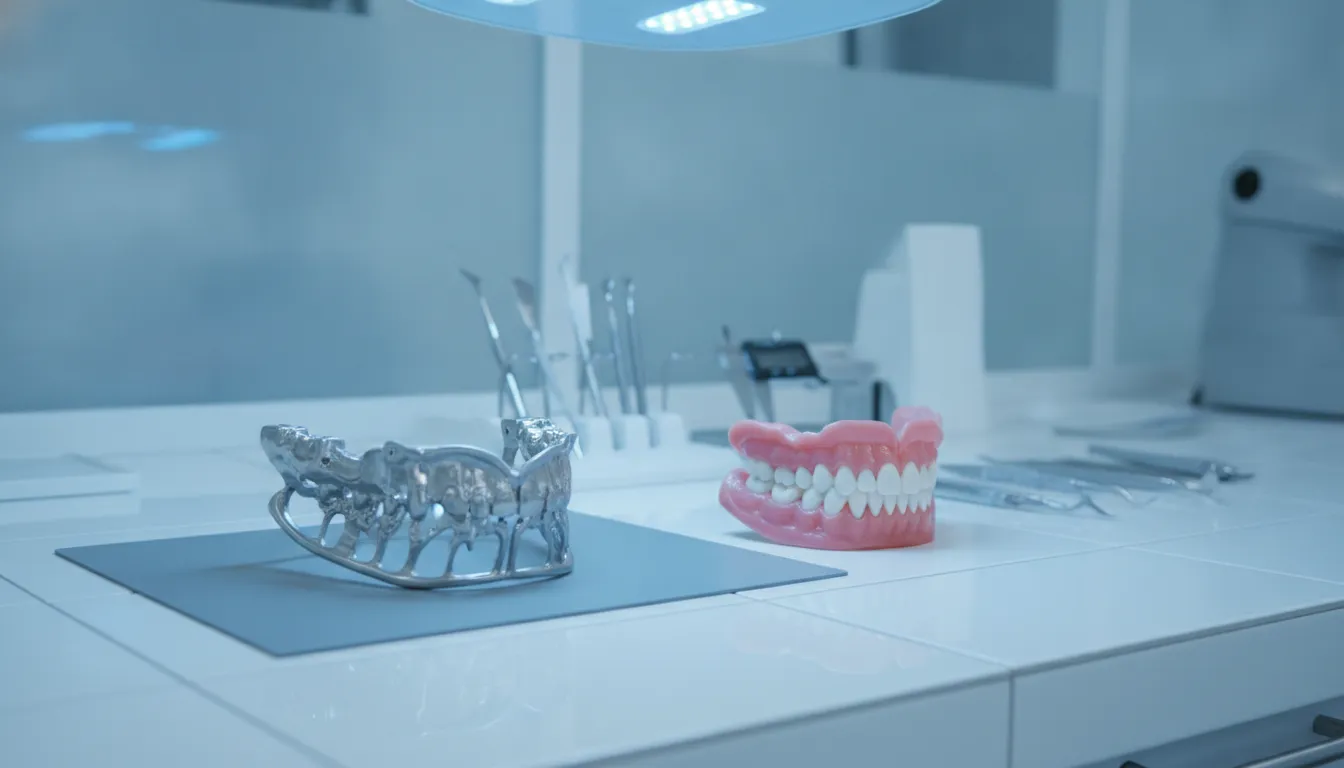
The AvaMax system uses a hybrid approach to solve common issues with full arch prosthetics. By merging a metal frame with high-density resin, these titanium reinforced dentures provide the stiffness needed for long term use without the weight of older designs. This combination is designed to give clinicians a predictable tool for complex cases.
The role of the titanium frame
Titanium is a top choice for dental work because it is strong and light. In the AvaMax workflow, the frame acts as the spine of the denture. It keeps the shape of the device even under high bite forces. Research shows that titanium alloys offer high strain and helpful elasticity for dental use. This helps the frame absorb stress rather than passing it all to the implants or soft tissue.
A metal frame also stops the resin from flexing. Too much flex can lead to cracks or loose teeth over time. By using a stiff frame, the prosthetic stays stable. This stability is key for patients who have lost a lot of bone and need a sturdy base to eat and speak well.
High density PMMA for a natural feel
While the frame provides strength, the high density PMMA resin provides the look and feel. This material is milled from a solid block to ensure it has no pores. These advanced denture materials are up to eight times stronger than those made with old methods. The lack of pores also makes the resin resist stains and odors better than hand-molded acrylic.
The PMMA layer is bonded to the frame to create a single, solid unit. This monolithic design helps lower the risk of bacteria growth. It also makes the denture easier to clean. Because the surface is so smooth, it feels more natural against the cheeks and gums, which helps with patient comfort.
Steps for the AvaMax clinical workflow
- Digital scanning: You take a scan of the patient's mouth to create a 3D model.
- Design phase: Our team uses the scan to design the frame and the teeth in a digital space.
- Precision milling: A mill carves the titanium frame and the PMMA teeth from solid blocks.
- Hybrid bonding: The milled teeth are bonded to the frame to create a strong, solid piece.
- Clinical fit: You place the final prosthetic, which should need few changes due to the digital fit.
How titanium reinforcement compares with other materials
Choosing the right material for dental prosthetics is a key part of office success. Doctors must weigh strength, weight, and fit for each patient. Titanium reinforced dentures offer a balance that other materials may lack. This material uses a metal frame to add support to high-density resins. It provides a tough result without the high weight of other strong options. Doctors can use these tools to give their patients better care.
Benefits of titanium reinforced PMMA
Titanium reinforced PMMA, such as the AvaMax line, uses a metal frame inside the denture. This frame adds a lot of strength to the device. Studies show that titanium alloys provide good strain and elasticity for dental use. This helps the denture last longer under the stress of chewing. It also stays light, which makes it more comfortable for the patient to wear all day. A light frame reduces the load on the gums and jaw.
The AvaDent technology behind these dentures also focuses on hygiene. The high-density materials are very smooth. This helps the device resist stains and bacteria growth over time. Because it is strong, it is less likely to crack or break like basic acrylic might. This leads to a better daily workflow for the practice because there are fewer repairs. You can spend more time on new cases and less time fixing old ones.
Comparing acrylic and zirconia options
Standard acrylic dentures are common because they are easy to make and low in cost. But they are not very strong and can break often. They also tend to soak up more bacteria because they are porous. This can lead to smells or sores in the mouth over time. Patients often need many small fixes as the acrylic wears down or warps. While they work for some, they may not last as long as other types.
On the other side, zirconia is very strong and looks great. But zirconia is very heavy and can be hard on the patient's jaw. It is also hard to fix once it is finished in the lab. If the fit is not perfect, it is hard to grind down or change in the office. This can lead to more visits for the patient and more work for you. Zirconia is a top choice for wear, but the weight can be a downside.
Titanium reinforced options sit in the middle of these two. They are much stronger than basic acrylic but much lighter than zirconia. This makes them a good choice for patients who need extra strength but want a light feel. They are also easier for a doctor to fit than zirconia. This ease helps ensure a great fit for the patient from the start. You get the best of both worlds with this material choice.
| Material Type | Strength | Weight | Ease to Fit | Hygiene |
|---|---|---|---|---|
| Basic Acrylic | Low | Light | High | Moderate |
| Titanium PMMA | High | Light | Moderate | High |
| Full Zirconia | Very High | Heavy | Low | High |
Choosing the best fit for your patient
When you pick a material, think about the patient's bite force and lifestyle. Patients with a strong bite may need more than just acrylic. Digital dentures made with titanium frames give you a sure way to help these cases. They provide the strength of metal with the ease of high-density resin. This mix helps you give your patients a smile that lasts and feels natural. It also helps your office run more smoothly.
Think about how often a patient might need to replace their device. Because these dentures use digital records, you can order a new one fast if needed. This is a big win for patients who travel or live far from your office. You can give them peace of mind that their smile is safe. Using these modern materials shows you care about the best patient results. It sets your practice apart in a busy field.
Review AvaMax options with AvaDent for a precisely planned titanium-reinforced case.
Which patients may benefit from titanium reinforced dentures?
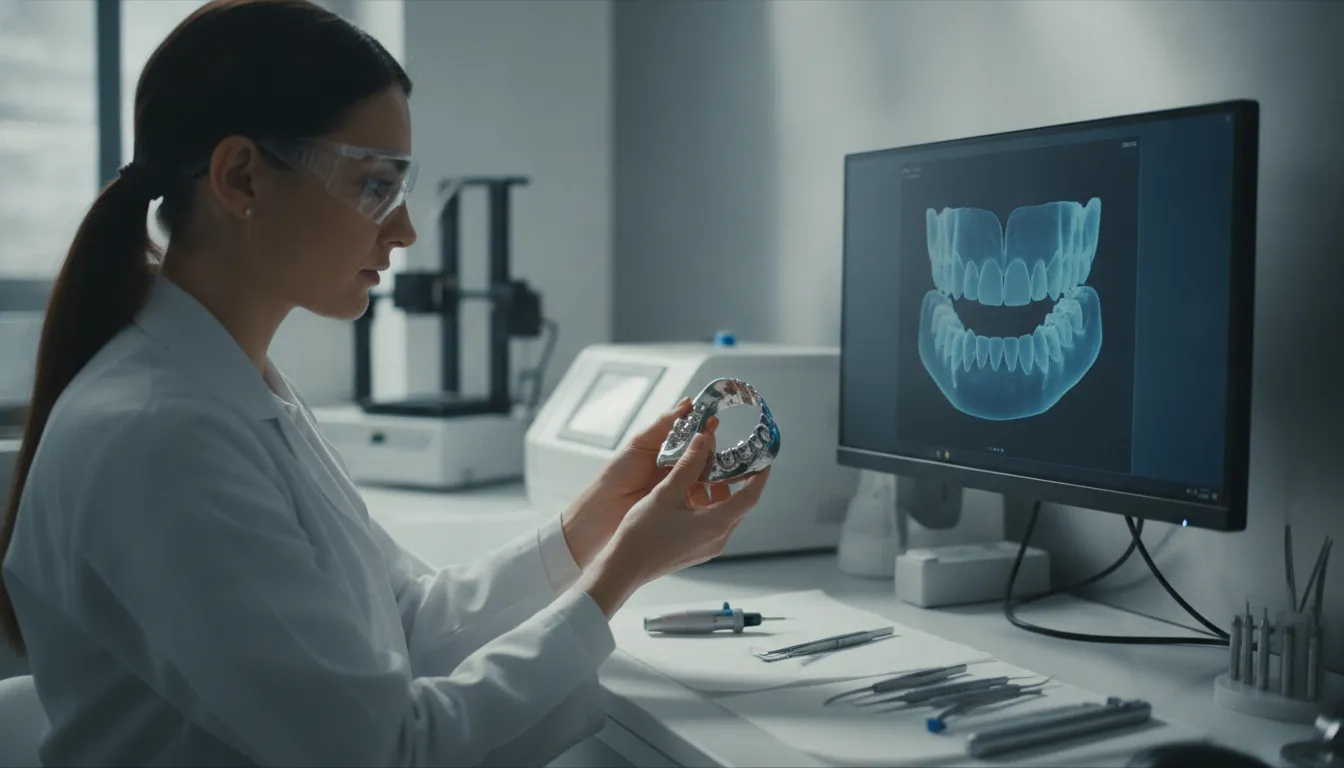
Finding the right new teeth for each patient is a key part of dental care. While standard acrylic dentures work for many, some cases need more strength. That is where titanium reinforced dentures can help. These tools provide a mix of light weight and high toughness. They are a great fit for people with tough dental needs or those who have broken other teeth before.
Handling high bite forces
Some patients exert a lot of force when they chew or grind their teeth. This extra pressure can lead to cracks or breaks in standard resins. Titanium reinforced dentures are built to handle these heavy loads. They use a strong metal frame that helps spread the pressure well across the arch. This design helps keep the base from failing under stress. Studies show that titanium alloys used in dental work offer great strain benefits and last a long time.
People who have lost teeth but still have strong jaw muscles are prime candidates. Without the right support, their force can wear down a normal denture fast. By adding a metal core, dentists can give these patients a reliable tool that lasts. This approach improves AvaMax treatment efficiency by cutting the need for many repairs. It also helps the patient feel more secure while eating or talking.
Solving limited space problems
In many cases, there is not much room between the upper and lower jaws for a thick fix. If a denture is too thin, it may snap easily. But if it is too thick, it can feel bulky or look fake. Titanium allows for a much thinner frame than acrylic alone. This thinness gives the dentist more room to place teeth in a way that looks and feels right. It is a smart choice for patients with little room in the mouth.
- Thin frames allow for better tongue movement and speech.
- Strong cores keep the base from warping over time.
- Lighter materials make the fix more comfortable for daily wear.
Dentists often see this need in patients with bone loss or specific jaw shapes. Using AvaDent technology, these frames are milled with high care. This ensures a tight fit that works within the patient's unique mouth shape. The result is a slim but tough fix that meets both bite and look goals.
Helping with implant cases
Implants put unique stresses on a denture base. Because implants do not move like natural teeth, the fix must be stable. Titanium reinforced dentures are often the top choice for overdentures and hybrid bridges. The metal frame links the implants together. It adds the stiffness needed for a secure fit. This helps protect the implants from uneven forces that could cause them to fail.
These dentures are also easier to fix if a part wears out. In a hybrid case, the ability to remove and repair the frame is vital for long-term care. Using a metal frame makes the device much more rigid. This stiffness is needed for patients who want a fixed-like feel without the bulk of old designs. Each case needs careful planning to ensure the frame matches the patient's bone and bite type.
Maintenance and long-term clinical considerations
Patient cleaning steps
Proper care for titanium reinforced dentures starts with daily cleaning. You should teach patients to use soft brushes and gentle cleaners to keep the teeth clean. This helps stop plaque from building up on both the metal frame and the teeth. While AvaDent technology makes these parts very strong, they still need steady care to stay in top shape.
Clean dentures last longer and help keep the gums healthy. For implant-fixed pieces, you will need to show patients how to clean under the frame. Use special floss or small brushes to reach these tight spots. This care prevents redness and helps the patient feel good. Dense materials resist stains and germs, but daily work is still needed to avoid issues.
Dentists should give clear steps for home care at the time of the final fit. Patients often need a reminder that metal-reinforced pieces still require cleaning. You can suggest alcohol-free rinses to keep the soft tissues around the implants healthy. Regular cleaning prevents the buildup of tartar, which can lead to gum disease. A simple routine helps patients enjoy the long-term benefits of their new teeth.
Follow-up and bite checks
Regular office visits are key to long-term success with titanium for removable dentures. You should check the fit and bite at each visit to catch small changes early. Since titanium alloys are tough, they can handle the stress of chewing well. A study on titanium alloys in dental use shows these parts are both strong and firm.
Watching the bite helps prevent wear on the teeth and the own jaw. If you see signs of wear or loose parts, you can fix them before they cause pain. Small changes keep the patient happy and save you chair time. These check-ups also let you verify that the titanium frame remains stable and the gums are healthy.
Using digital files for fixes
One of the best parts of this system is the use of digital files. If a patient loses or breaks their piece, you do not have to start over. The stored digital records allow for a fast and easy fix. This path saves time for both you and your patient by skipping many clinic steps.
A new set of teeth can be made using the first data in just a few days. This process cuts out the need for new impressions and long lab waits. It also means the new piece will fit just like the first one did. Having these files on hand gives your patients peace of mind. They know they can get a quick fix if anything goes wrong.
How to evaluate a titanium-reinforced treatment plan
Doctors must look at a few key points when they plan for titanium reinforced dentures. A good plan starts with a full view of the patient's oral state. You need to check the bone levels and where the implants will sit. This ensures the frame can handle the daily stress of chewing. Proper lab steps are also vital to make sure the metal parts fit well in the final set of teeth.
Assess prosthetic space and implant spread
The first step is to measure the room for the teeth. You need enough space for both the titanium bar and the tooth parts. If the space is too small, the denture might be weak or too thick for the patient. You should also check the spread of the implants. A wide spread helps to share the load across the arch. This reduces the risk of the frame bending or breaking over time.
Research shows that titanium alloys like Ti6Al4V work well because they have high strength but low weight. These metals have a low modulus of elasticity, which helps them match the natural flex of the bone. When you plan the spread, aim for a design that keeps the metal frame thin but strong. This leaves more room for the pink acrylic and teeth, which leads to a better look and feel.
Analyze biting force and patient goals
Next, look at the patient's biting force. People with strong jaw muscles need a frame that can resist heavy loads. Titanium is a top choice here because it is tough. It can handle more stress than plain acrylic alone. You should also talk to the patient about what they want. Most patients want a set of teeth that feels light and stable.
AvaMax technology is one way to meet these goals. It blends a strong metal frame with high-density parts for a good mix of strength and comfort. When you judge the plan, make sure it matches the patient's daily life. A patient who eats tough foods will need the extra support that a metal bar provides. This helps the teeth last longer without chips or cracks.
Check for hygiene access and repair needs
A final check should focus on how the patient will clean the teeth. The space between the frame and the gums must be easy to reach with a brush. If the design is too bulky, food can get stuck and cause gum issues. Monolithic designs can help here. They are made as one piece, which leaves fewer spots for germs to grow. This keeps the mouth cleaner and the breath fresher.
Also, think about what happens if the teeth need a fix later. Using digital records makes this easier. If the set breaks, you can use the stored file to make a new one fast. This saves time and avoids the need for new molds. A good plan always looks ahead to make sure the patient stays happy for years to come.
Discuss your next AvaMax case with the AvaDent team.
Frequently Asked Questions
Are titanium dentures good?
Titanium can be a strong, lightweight reinforcement option when the restorative design, implant positions, prosthetic space, bite forces, and hygiene access support its use. The prescribing clinician and laboratory should evaluate those factors for each case.
What are the strongest dentures made of?
Strength depends on both the material and the design. High-density milled PMMA offers a major improvement over conventional processed acrylic, while an internal titanium framework can add rigidity for demanding implant-supported or high-force cases.
How long do titanium dentures last?
Service life varies with the case design, bite forces, home care, maintenance, and clinical follow-up. Titanium reinforcement is designed to improve structural durability, but patients still need routine hygiene and occlusal checks.
Are titanium reinforced dentures more resistant to bacteria?
The biohygienic benefit comes primarily from the dense, smooth, monolithic PMMA design, which is designed to resist bacteria and stains better than porous conventional materials. Titanium reinforcement adds strength, while regular cleaning remains essential.
Ready to talk with AvaDent about an AvaMax case?
Traditional dentures often break and need many visits for repairs, so waiting to switch to reinforced options costs you time and patient trust. If you start today, you can provide a better fit and more strength in just a few visits to your dental clinic. By using advanced denture materials now, you avoid the cost of lost efficiency and keep your practice on track. This shift lets you focus on new cases while giving every patient the lasting quality and fit that titanium provides for every single smile.
Ready to talk with AvaDent about an AvaMax case? Call 480-275-2736 to talk with an AvaDent specialist and start your next case today.