



Managing complex restorative cases alone can create clinical delays and uncertainty. A structured prosthodontist consultation gives general dentists a clearer path to predictable results while keeping patient care coordinated.
Contact AvaDent to discuss your complex restorative case with a digital denture team.
A prosthodontist consultation is a professional meeting where general dentists and experts work together to plan complex restorative cases using modern digital tools and software. This joint process allows you to map out every clinical step before surgery by sharing accurate digital files early in the planning phase. Working together ensures that all dentures meet strict functional and aesthetic standards for every patient. Also, early collaboration between specialists and digital design teams improves surgical precision. This teamwork also improves patient function and helps you avoid costly errors during the final restoration phase. This support allows you to deliver predictable results while saving chair time and reducing the need for difficult clinical adjustments.
Finding the right time to seek expert help is a common question for busy dental practices. Learning when a prosthodontist consultation adds value is the first step toward a more efficient workflow. This guide shows how to use these insights for better results.
When does a prosthodontist consultation add value?
A prosthodontist consultation adds the most value when restorative complexity, functional risk, or esthetic demands exceed the routine scope of a case. Early specialist input can clarify the treatment sequence, identify prosthetic constraints, and give the general dentist a more predictable path before treatment begins.
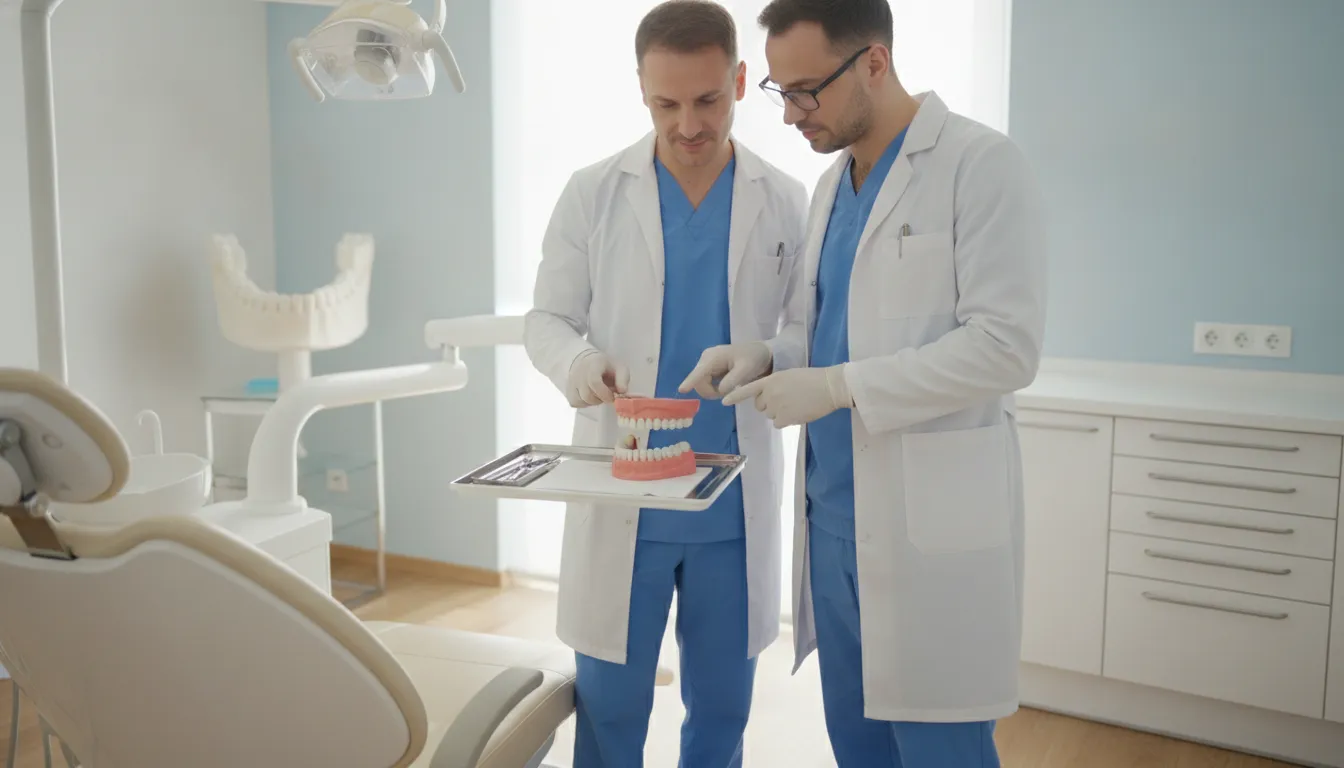
Managing complex oral cases often calls for a specialist's view. A modern prosthodontist consultation helps when a case goes beyond routine care. These specialists have three years of extra training to fix and replace teeth. They focus on oral function, comfort, and how a patient looks. Knowing when to refer can lead to better results and smoother workflows for your practice.
Complex restorative needs
A prosthodontist consultation is vital for full-arch cases or those with low bone volume. When a patient needs complex work like dentures, crowns, and implants, a specialist brings deep skill. They manage cases where the bite is not stable or there is little space for new teeth. Their role is to plan the care needed to maintain oral health and function for the long term.
Prosthodontists use advanced tools to help with these tough cases. They can find the best path for care when a prior fix has failed. By looking at the whole oral structure, they help ensure new teeth fit well and last. This focus is key for prosthodontist consultation for implant cases where precision is the top goal.
Digital planning and surgical care
Early specialist input in surgical planning can lead to better patient outcomes. A multidisciplinary approach is often the best way to handle complex oral needs. Using a collaborative prosthodontist consultation lets teams plan stents and frames before surgery starts. This step helps improve how well the mouth works after the procedure is done.
Digital tools like CAD/CAM and 3D printing make this teamwork easier. These tools help teams communicate and plan with more accuracy. Using AI in design and planning also adds a higher level of personal care for each patient. By working together early, clinicians can reduce delays and give patients the best possible care.
See how AvaDent's digital workflow supports case submission, design review, and approval.
Consultation, co-treatment, or dental specialist referral?
Choosing between a focused consultation, co-treatment, or a full dental specialist referral depends on the clinical complexity of each patient. For many clinicians, a prosthodontist consultation serves as the first step in deciding which model fits the case. This choice helps ensure optimal functional and esthetic outcomes while maintaining a smooth digital denture workflow in the practice.
Focused consultation vs. full referral
A focused consultation allows the general dentist to remain the primary provider while gaining expert advice on a specific clinical problem. This is ideal for cases that need a second set of eyes on a complex prosthetic plan but remain within the scope of general practice. In contrast, a full referral transfers total ownership of the case to a recognized dental specialist who manages the treatment from start to finish.
Referral is not a sign of failure but a positive clinical decision for cases with high risk or technical difficulty. Prosthodontists are specifically trained to handle complex restorations like dentures, crowns, and implant-supported frameworks that require advanced precision. Moving these cases to a specialist protects the patient and the practice from unforeseen complications in restorative care.
The co-treatment model
Co-treatment blends the strengths of both providers into a shared care plan. This model is common when a case involves several stages, such as surgical site preparation and final prosthetic delivery. Using digital tools like CAD/CAM and 3D printing makes seamless communication and planning possible between general dentists and prosthodontists. This joint effort ensures that every step of the process aligns with the final goals for the patient.
| Service Model | Provider Role | Case Ownership | Typical Use Case |
|---|---|---|---|
| Consultation | Expert Adviser | General Dentist | Simple plan review |
| Co-treatment | Shared Partners | Split responsibilities | Multi-stage arch cases |
| Specialist Referral | Primary Lead | Prosthodontist | Complex full-arch rehab |
Clinical indicators for referral
Deciding when to refer often comes down to systemic risk and the need for specialized skills. Cases involving severe bone loss, high esthetic demands, or failed prior restorations often benefit from the three years of extra training a specialist receives. Early involvement of a prosthodontist in the planning stage can improve long-term functional outcomes for these difficult cases. Using a clear protocol for when to refer or co-treat helps a practice provide the best care without losing time on trial-and-error methods.
How a digital prosthodontist consultation works
A modern prosthodontist consultation now uses digital tools to save time. In the past, experts had to mail stone models back and forth. This took weeks and often led to small errors. Today, a prosthodontist consultation happens in a virtual space. This change helps doctors plan complex cases with more care and speed. It also leads to better results for the patient.
Setting the stage for clinical success
The first part of the talk focuses on the main goal. Doctors must find what the patient needs most. Is it a better look, better chewing, or both? By using a collaborative prosthodontist consultation, the team can set clear paths early. This step prevents confusion later in the care process. It also helps the team see any roadblocks before the work starts.
Digital tools help teams share data in real time. This seamless planning between dentists and experts improves the exact fit of new teeth. Both doctors can look at the same 3D files at once. They can spot issues that might not show on a 2D x-ray. This team-led view is vital for big cases like full-arch dental implants. It keeps everyone on the same page from start to finish.
Building the digital case record
Next, the team must get all the facts. They use scans of the mouth and bone to build a 3D map. This map shows the gums and teeth in high detail. Having this data makes the plan much more exact. It removes the guesswork that comes with old-style molds. The goal is to build a full digital twin of the patient's mouth before any work begins. This twin lets the team test different paths without any risk.
Once the record is ready, the five-step workflow begins. This path moves the case from a question to a set plan. It keeps the work on track and makes sure no step is missed. Each step adds a layer of safety and truth to the final goal.
- Define the clinical question. The team finds the core issue that needs to be fixed first. This might be a missing tooth or a bad bite.
- Assemble digital records. The dentist gets all scans and files needed for the expert to review. This includes 3D photos and x-rays.
- Share goals and limits. Both doctors talk about what they want to reach and what might hold them back. They look at the bone health and the patient's budget.
- Review the expert path. The expert gives a path based on the 3D data and the team's goals. They show how the final teeth will look and feel.
- Set jobs and checkpoints. The team decides who will do each task and when to check the progress. This keeps the timeline tight and clear.
Signing off on the digital plan
The final step is to sign off on the path forward. The team looks at the 3D plan one last time. They check the fit, the bite, and the look of the new teeth. This review step is where the final choice is made. Using digital tools makes this check fast and easy. It gives both the dentist and the expert peace of mind before the lab starts its work.
In the end, this workflow helps the whole team. It cuts down on chair time and saves money for the practice. Most of all, it gives the patient a smile that fits well and lasts a long time. Digital plans are now the gold standard for top-tier dental care. They make sure the right care is given at the right time.
How to present a complex case for useful feedback
When you seek a modern prosthodontist consultation, the records you send set the stage for success. High-quality data helps the specialist see the whole clinical picture. It allows them to give advice that fits the unique needs of the patient and your practice goals. Clear data sharing also makes it easier to use digital dentistry tools for precise planning.
Essential records for a clear picture
A full case file starts with the patient's main concern and health history. You should include dental notes, digital scans, and clear bite records. Photos from many angles and recent X-rays are also vital. If the patient wears a denture now, show its current fit and wear. These records give the specialist a base for planning the look and function of the new teeth.
A prosthodontist consultation for implant cases needs even more detail. You must share what the patient wants most and the options you have already weighed. Ending your report with a clear, specific question helps the specialist focus their expertise on your biggest hurdle.
Benefits of complete case data
Sending full records reduces the need for extra emails or calls. It helps the specialist use digital tools to plan for better oral health and function. When everyone has the same data, you can build a better plan for tough cases. This smooth workflow leads to better results and saves time for your team and your patient.
Prosthodontist vs dentist: the practical distinction
While all dentists share a base of health knowledge, the choice between a general dentist and a specialist often depends on the case scope. A general dentist manages broad needs like cleanings and fillings. A prosthodontist looks at the design and fit of complex oral fixes. Knowing this difference helps clinicians decide when a case needs more focus. This choice is not about who can do the work. It is about the depth of planning. A specialist brings a unique view to the long-term health and look of the patient.
Specialized training and scope
A prosthodontist is a specialist who focuses on the repair and replacement of teeth and other oral parts. To earn this title, a dentist must complete three more years of training after dental school. This extra time allows them to master complex tools and items. They learn to manage cases that involve missing teeth or large gaps in the mouth. Their work often covers complex issues like oral tissues and jaw function. This depth of training is what sets them apart from a general dentist.
Complexity and case planning
Prosthodontists are trained to handle the most hard dental tasks. This includes work like full dentures, crowns, and implants. These experts often lead a team of other doctors. In complex cases, they act as the architect for the mouth. They plan how each part of the fix will work with the rest of the face. Using a modern prosthodontist consultation can help find the best path for these high-stakes cases. Planning for a full mouth fix needs a team approach to get the best results. Often, this means working with oral surgeons or other experts.
The role of a clinical consultation
Seeking an early expert view can lead to better results for the patient. A team-based prosthodontist consultation allows for better planning before any surgery starts. Early input helps avoid delays and mistakes in the final fit. This care ensures that the prosthetic work and the surgery align well. Digital tools like 3D printing and CAD/CAM now make this work faster and more precise. These tools help dentists and specialists share data and plan the case together. By working as a team, clinicians can give patients a fix that fits well and lasts a long time. High-quality digital dentures help save time for both the doctor and the patient. Digital files also make it easy to replace a fix if it ever breaks or gets lost.
Why early collaboration supports predictable treatment
Good full-arch cases start long before the patient sits in the chair for the final fit. When a general dentist starts a hard case, they often face tough choices about where teeth go and how the bite works. An early modern prosthodontist consultation helps find these hurdles before they become big problems. This team approach makes sure that every part of the plan works together. By talking early, the team can spot issues with speech or looks that might cause trouble later. AvaDent makes this easy by giving expert help with their digital denture cases to support the whole dental team.
Finding clinical conflicts
A key goal of early planning is to find conflicts between how a denture looks and how it works. This includes looking at restorative space and how the teeth will fit in the mouth. Many hard cases fail because the design did not leave enough room for the needed parts. A collaborative prosthodontist consultation helps the team check the implant spot against the final prosthetic shape. This check makes sure there is enough space for strong materials like high-density PMMA or titanium. Early checks also help with hygiene access. This makes it easier for the patient to keep the site clean after the work is done. By solving these conflicts early, you avoid the need for costly redos.
Improving case steps
Planning a case in clear steps helps keep the workflow smooth and fast. Early teamwork allows for a multidisciplinary approach. This help makes a case move well from the first scan to the final fit. A clear path helps the general dentist know exactly when to move to the next phase. It also reduces the need for trial and error during the middle steps of the clinical workflow. When everyone knows the plan, chair-time speed goes up for everyone there. Patients spend less time waiting for changes and more time enjoying their new teeth. Steady results are a big win for both the clinic and the patient because they set clear goals.
Digital records and precision
Digital tools help make the planning phase much more exact for everyone. Using CAD/CAM tech means the team can see the final result before they even start the case. These tools allow for the creation of virtual models that show how the bite will work in real life. This helps the team pick the best materials for the case based on facts, not guesses. Also, AvaDent stores these digital files in a safe place. If a patient loses or breaks their denture, the clinic can get a new one fast using the first data. This stored data makes the whole process more reliable for the long term and gives patients peace of mind.
Explore AvaDent's prosthetic workflows for predictable case planning.
Working with AvaDent on complex cases
AvaDent supports general dentists with documented prosthetic workflows, digital case review, and access to clinical expertise for challenging cases. This structure helps the dental team identify missing records, evaluate the proposed design, and resolve questions before manufacturing begins.
Managing tough dental cases often needs a team approach. When you treat missing teeth or oral tissue loss, you need high-level care to fix oral function. Per the American Dental Association, prosthodontics is the specialty for these clinical needs.
Working with a specialist helps make sure the fit and look of the prosthetic are right. For most general dentists, the right help makes the work go better. It leads to results that both you and your patients can trust.
Benefits of early specialist team work
Studies show that a team approach leads to better results for complex cases (PMC12397660). Bringing in a specialist early in the plan can help avoid long waits. This is very true for surgery where the prosthetic design must guide the implant site.
A collaborative prosthodontist consultation lets the team plan for custom frames before the first cut. This workflow improves surgical precision and helps the patient heal in less time. Digital tools like CAD/CAM also help make the final outcome more certain.
Getting expert clinical help
AvaDent offers a prosthodontist consultation as part of its case support. This service gives you a direct link to experts with years of training in complex care. These pros know the fine points of monolithic dentures and hybrid frames.
They can help you with hard cases that involve deep bone loss or bad bites. Using a modern prosthodontist consultation lets you use digital design teams to create a better plan. This help is part of your cases to help you get the best outcomes for your patients.
How to prep for your meeting
To get the most from your time, a full case file is key. You should give the expert team a clear clinical question and all data. Providing full records at the start saves time and cuts down on extra emails.
A good case file includes:
- High quality intraoral scans and photos.
- A clear description of the patient's goals.
- A list of any health issues or past dental work.
This clear talk helps the whole team stay on track. It also makes sure that the final design meets all needs for use and comfort. It keeps the workflow fast and the costs low.
Growing your clinical skills
AvaDent also offers general learning paths for dental pros. These continuing education (CE) tasks cover digital workflows and new materials. While we do not list specific credits here, these talks help you stay current with new trends.
Learning how to use digital tools well can make your daily work much easier. These tools allow for designs that resist stains and bacteria. By mixing expert help with new skills, you can take on more complex cases with ease.
Frequently Asked Questions
When should a general dentist refer a patient to a prosthodontist?
General dentists should refer when a case has complex functional or style needs that go beyond standard care. This often includes patients with worn teeth or those who need full-arch work. According to the ADA, these experts focus on the diagnosis and planning for missing teeth and oral health. Sending patients early ensures they get the special care they need. This leads to better results and long-term success for every complex case you manage.
How does digital technology improve prosthodontist consultations?
Modern digital tools help dentists and specialists work together with more precision. By using shared files and CAD/CAM tools, teams can plan designs before treatment starts. Research on craniofacial care shows that digital teams help plan specific frames to improve surgical work. This tech-first path reduces mistakes and ensures the final result matches the clinical goal. It saves time in the chair and provides a more predictable outcome for the patient.
What training do prosthodontists receive beyond dental school?
A prosthodontist is a dental expert who has finished three more years of school after dental school. This extra training focuses on fixing oral function and replacing teeth with strong materials. Their study allows them to manage hard cases involving implants, dentures, and crowns. This extra work makes them experts in handling cases that need a deep grasp of how teeth look and work. They are the top choice for any case involving complex oral repair.
Why is early collaboration with a prosthodontist vital for surgical planning?
Involving a specialist early helps ensure that the final teeth fit well and work right. Old methods often treat the prosthetic part as a last step, which can lead to delays or poor results. Studies show that early planning helps make the final fit a key part of the whole process. This proactive step helps improve surgical work and leads to better health and comfort for the patient. It ensures that the final restoration is both strong and beautiful.
Ready to request a specialist consultation?
Working on hard restorative cases alone often leads to more stress and longer care times for your patients. If you wait to seek advice, you risk small errors turning into major setbacks that need many adjustment visits. These delays can frustrate your staff and lower the trust your patients have in your care. By starting a digital consultation now, you can fix your workflow and avoid common traps. You can contact a specialist to get expert design feedback before you ever start the work. You can learn more in our modern prosthodontist consultation guide. This early step saves you hours of chair time and helps you give a great result in fewer visits. Do not let tough cases sit while you wonder about the best path for your patient's health. You can gain trust in your plan by working with a team that knows digital tools.
Ready to request a consultation? Contact AvaDent to discuss a complex case and consultation options.