



A lost or worn denture can disrupt eating, speech, confidence, and a practice schedule. With stored digital records, clinicians can reproduce an accepted design while using the replacement appointment to reassess tissue health, fit, occlusion, phonetics, and esthetics.
See how the AvaDent digital workflow helps your practice plan predictable duplicate dentures.
Duplicate dentures reproduce an accepted prosthesis from stored digital records, preserving familiar tooth position, esthetics, and polished surfaces. The clinician still reassesses oral health, tissue fit, border extension, occlusion, and phonetics before delivery. This approach can streamline replacement while avoiding a blind copy of outdated clinical conditions.
The practical distinction is important: the digital file preserves what already works, while the clinical exam determines what must change.
What makes duplicate dentures different in a digital workflow?
Duplicate dentures act as a key backup for people who like how their current teeth feel. These sets provide a safety net so patients have a working tool if they lose or break their main set. In a digital system, duplicate dentures are more than just spare parts. They are top-grade copies made from clear data that you can trust.
More than just copies
Older ways of copying dentures often carried over old flaws. If the old set had a bad fit, the new one would have the same issue. But a digital path lets you use benefits of digital denture tools to fix those problems. You can check how the patient's mouth has changed and make small tweaks to the file before you build the new set.
New tools help you look at the bite and the fit of the base in a space on screen. You can change how thick the base is or move where the teeth sit to help the patient. This means the new duplicate denture can offer better comfort and stay in place better than the old one. You are not just copying an old tool. You are making it better for the person using it.
The power of stored digital data
One big gain of this work is the way to manage digital denture records for your patients. These files live in a safe, long-term archive. If a patient loses their teeth, you can pull up the file and start a new build right away. This removes the need for messy molds and saves a lot of time in the chair.
Having these files on hand makes the work much faster. You can get duplicate dentures from digital records even if the patient has nothing left to scan. AvaDent's Denture ID also supports identification and record continuity when a prosthesis is lost. This keeps care moving and can reduce the need to recreate an already accepted design.
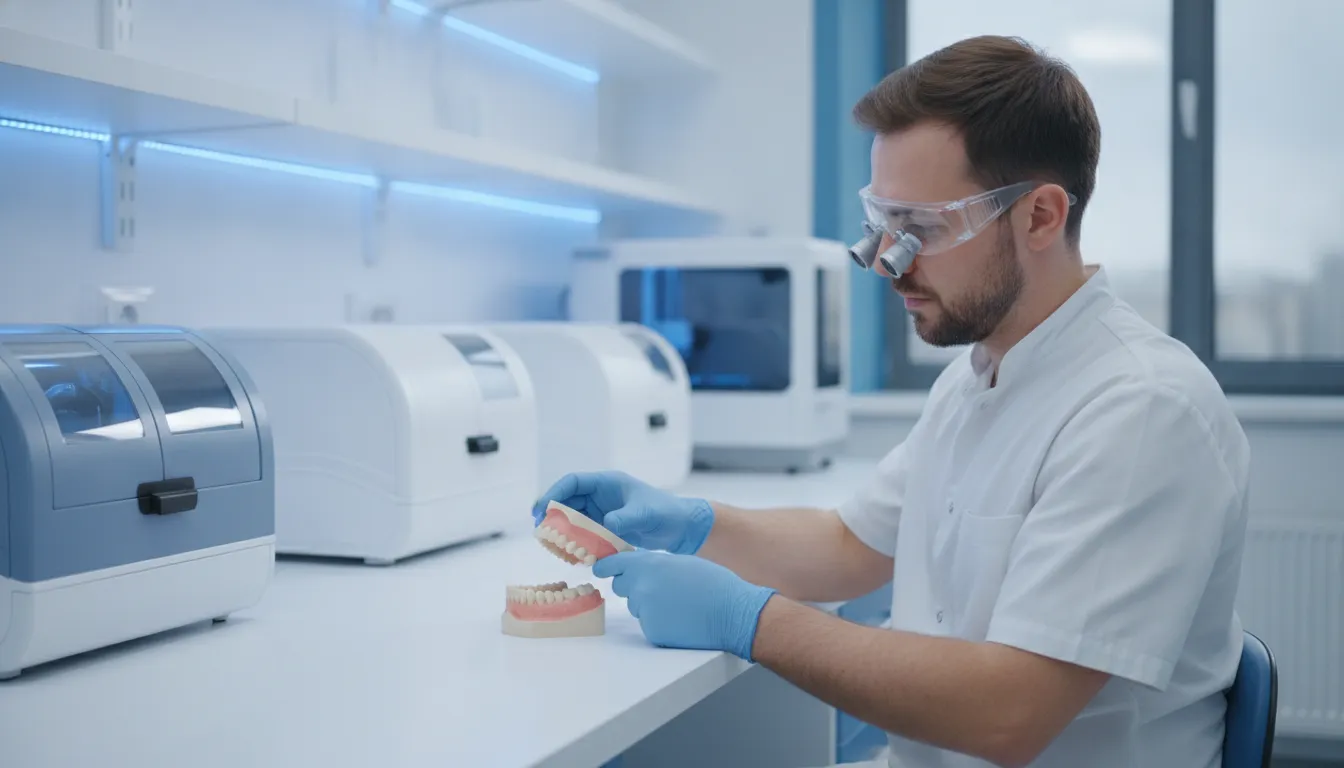
The use of milled parts like AvaDent XCL also makes a big change. These dense parts are very strong and help keep the mouth healthy. They resist stains and germs better than the old types of plastic used in the past. This means the backup set stays clean and lasts a long time for the patient.
This digital plan also helps your office work better. It cuts down on the number of visits and the time spent on each task. Doctors can give better care while saving time for other patients. By keeping a store of these files, you ensure that top-grade care is always just a few clicks away.
When should a dentist duplicate rather than redesign?
A practical decision framework is to duplicate the accepted features, refine correctable issues, and redesign when the existing prosthesis no longer provides a clinically sound reference.
- Duplicate: the patient accepts the tooth position, esthetics, phonetics, and vertical dimension, and the denture remains clinically serviceable.
- Duplicate with refinement: the accepted design is worth preserving, but border extension, tissue fit, occlusion, or minor esthetics need adjustment.
- Redesign: the current denture reflects substantial wear, unstable occlusion, poor esthetics, altered anatomy, or an unacceptable vertical dimension.
Choosing between a direct copy and a total redesign is a key clinical choice. A dentist must look at how well the patient has used their current teeth. If the patient is happy with the look and feel, a direct copy is often best. Stored digital files make this easy to do with great detail. Using duplicate dentures from digital records saves time and gives the patient a backup they already trust.
Signs for direct copying
You should choose to copy when the patient has stable gums and a high level of comfort. If the fit, bite, and look are still good, there is no need to start over. A study on digital dentures shows that copying a successful set improves clinical speed. It cuts down on the number of visits needed. This path is ideal for patients who need a backup in case they lose or break their main teeth. It ensures they are never without a working set of teeth.
Digital records allow for a perfect copy without new impressions. This is a big plus for patients with a strong gag reflex or trouble moving. Since the data is already in the system, you can print or mill the new set fast. The benefits of digital denture technology include this ability to make a winning design at any time. It removes the guesswork from the process and keeps the patient happy.
When a full redesign is needed
There are times when a copy is not enough. You must check the oral health of the patient at every visit. Over time, the gums and bone can change. If the current fit is loose or the bite has shifted, a redesign is a better choice. Dentists must look for signs of wear or changes in the vertical dimension of occlusion. If these issues exist, making a simple copy will just repeat the same problems. A redesign allows you to fix these flaws and give the patient a better outcome.
A full redesign is also best if the patient wants to change how their teeth look. They might want a different tooth shade or a new smile line. In these cases, you can use the old digital file as a base but make big changes to the design. This path uses the best of both worlds. It keeps the parts that work and fixes the parts that do not. Regular checks of the gum tissues are needed for long term success in prosthetic care.
Choosing the right path for your patient
The choice between a copy and a redesign depends on a full check of the patient. You must weigh the speed of a copy against the clinical need for a better fit. Stored digital data gives you the facts you need to make the best choice. It allows you to see the old design and compare it to the current state of the patient's mouth. This makes your work more precise and helps your practice grow.
| Factor. | Direct Copy. | Full Redesign. |
|---|---|---|
| Patient happiness. | High happiness with current set. | Patient wants changes or is unhappy. |
| Oral tissue health. | Stable gums and bone levels. | Large tissue or bone loss. |
| Clinical workflow. | Fast, often no new impressions. | Needs new impressions and fits. |
| Prosthetic fit. | Fit and bite remain accurate. | Loose fit or poor occlusion. |
| Main goal. | Create a reliable backup set. | Improve function and look. |
In most cases, having duplicate dentures as a backup is a smart move for the patient. It acts as a safety net. If the main set breaks, they have a set they can wear right away. This avoids the stress of an emergency visit. By using digital files, you can give your patients peace of mind and better care.
How stored records preserve what already works
The move to new dentures can be hard for many patients. Old ways of working often lead to changes in fit and feel. These shifts take time. By using stored digital files, you can provide duplicate dentures from digital records that keep the best parts of a current set. This process uses the exact data from a proven design. It ensures the new teeth feel known and easy to wear from the first day.
Maintaining familiar tooth position and esthetics
One of the biggest wins for digital dentistry is the ability to lock in a patient's look and bite. When a patient is happy with their smile and how they eat, you want to keep those traits. You can. Digital records allow for an exact and steady match in the design. This means the new set will have the same tooth position and shape as the first one. It removes the guesswork that often comes with manual lab work.
Modern software makes it easy to save every detail of a good design. You can copy the tooth length, shade, and overall smile line with high skill. This is vital for patients who have spent years getting used to their look. By keeping these traits, you reduce the stress of change. Patients feel more sure when they know their new teeth will look just like the old ones they liked.
Reducing adaptation through polished surface preservation
The way a denture feels against the cheeks and tongue is just as important as the bite. Many patients struggle when a new base is too thick or has a different shape. They don't have to. Stored records allow you to copy the smooth surfaces of a proven design. This reduces the clinical time needed for fixes. It also helps the patient get used to them much faster. The new prosthesis fits the mouth's soft tissues in a known way.
Using CAD software, you can also make the base thickness best for both strength and comfort. This helps people who break their teeth often. A digital file acts as a permanent record of what works best for each person. Since the file is always on hand, making a second set is fast and simple. You can give patients the peace of mind that comes with a solid backup.
The need for clinical checks
Even though digital records are very precise, the mouth can change over time. Bone loss and gum changes happen slowly. These shifts can change the fit of any prosthesis. It is needed to check the patient's oral health before you make a new set. You must confirm that the old design still fits well against the current tissue. This step ensures that the duplicate teeth will be both safe and work well.
Regular check-ups allow you to see if any small design changes are needed. If the tissues have changed, you can fix the digital file before you mill or print the new teeth. This combines the speed of digital work with the care of an exam. By checking the fit first, you prevent problems before they start. This keeps your patients happy and reduces the need for extra visits to fix sore spots.
Help patients protect their denture records with AvaDent Denture ID.
What should patients expect from denture duplication?
When you talk to patients about duplicate dentures, start with the goal. These are functional backups for emergency use. Using benefits of digital denture technology, you can give them peace of mind if they ever lose or break their primary set. Setting clear goals early helps patients know why this service is a smart move for their long-term care.
Fewer visits and less chair time
Most patients are happy to hear that getting duplicate dentures from digital records is very fast. Because you already have their design data, they do not need new physical impressions. This removes the mess and time of traditional methods. Digital archives allow for the fabrication of a replacement without extra clinic visits, making the process more efficient for everyone.
A chance to check fit and health
A duplication visit is a great time to check the patient's oral health. Even if they like their current set, their mouth tissues can change over time. You should check the fit to see if the supporting tissues are still healthy. Regular checks are needed to ensure the fit remains accurate before you make a copy. If their mouth has changed, you can use the digital file to make minor design fixes before you print the new set.
A functional backup for emergencies
Patients should know that a duplicate set acts as a vital safety measure. It ensures they can still eat and talk if their main teeth are damaged. These sets often use precision of 3D printed prosthetics to match the original closely. While they are a vital safety measure, they work best for patients who are already comfortable with their current set. It is a proactive step that can save them from the stress and high cost of emergency repairs.
Review the AvaDent workflow before planning your next digital denture case.
How do you verify a duplicate before delivery?
Checking duplicate dentures is a key step in a digital workflow.
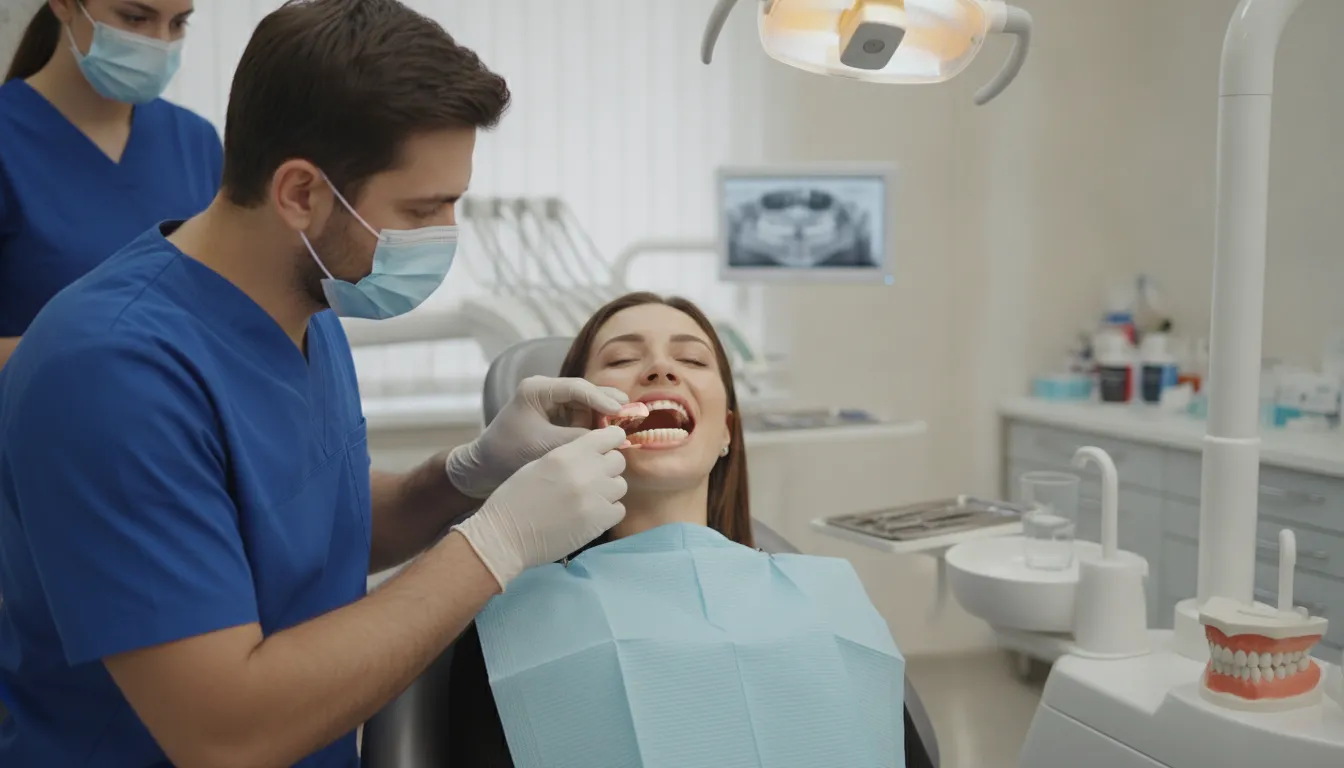
Even when using a precise record, the dentist must make sure the new teeth meet the patient's needs. This check often takes place at a try-in or the final visit. Stored digital files allow for great precision, but changes in a patient's mouth can affect the fit. Dentists should use this visit to see how the new teeth act with the gums and the other jaw. Doing this helps to lower the need for chair-side changes later on.
Evaluate tissue fit and border extension
The first thing to check is how the denture base fits against the gums. A digital workflow can give a very close copy of an old set of teeth. But you still need to see that the edges are correct. Check the length of the base and the fit of the back seal. If the patient has lost weight or has bone changes, the fit might need a small update. Accurate digital denture records help save time, but they do not replace a physical test.
Look for any tight spots using a paste that shows pressure. The solid build of most digital dentures means they are very stable, but you should still check the edge shape. Making sure that the edges do not press on soft spots will help the patient feel better. If you find a small mismatch, the digital record lets you make a change to the design. This makes sure the precision of 3D printed prosthetics is used well before the final milling or printing.
Verify occlusion and phonetics
The bite is a vital part of the check. Even a small error can lead to sore spots and a sad patient. Ask the patient to close their mouth and look for any spots that hit too soon. Digital records are great for keeping the same bite, but you must check it in the mouth. Use mark-up paper to find any high spots that might need a quick grind. Milled parts are strong and hold up well, but the patient's jaw spot can shift over time.
Speech must also be tested. Have the patient speak common words or count from one to ten. This helps you see if the tooth spot gets in the way of the tongue or lips. If the patient had an old set of teeth that they liked, the new set should feel the same. But if you have moved the teeth to improve the look, you must make sure the speech stays clear. Testing "s" and "f" sounds is a standard way to check the bite height and the space for the tongue.
Assess esthetics and hygiene
Looks are often why patients want duplicate dentures. They want a backup that looks just like their first set. During the try-in, check that the middle line, lip support, and smile line are right. Digital design lets you match the color and tooth shape well. But seeing the teeth in real light in the mouth is the only way to be sure. If any changes are needed, it is better to find them now before the final visit. Show the patient how to clean their new teeth.
Cleanliness is a big part of how well the teeth work for a long time. Milled materials are very hard and do not stain easily. This makes them more clean than old-style plastic teeth. Since CAD/CAM duplicate dentures offer great strength, they are less likely to hold germs in small holes. This helps the mouth stay healthy and feel fresh for the patient. A quick check after one week can catch any small issues before they become big problems.
Build a better backup plan with stored records
A solid backup plan is key for patients who rely on their dentures every day. When a primary set is lost or breaks, the impact on a patient's life can be big. Digital recordkeeping helps you offer a reliable way to get back to normal fast. By using duplicate dentures from digital records, you can give your patients peace of mind and continuity of care.
The role of digital archives
Storing a digital file of a patient's denture shape is a major win for modern clinics. These records act as a permanent archive that you can pull up at any time. If a patient loses their teeth, you do not need to start from scratch with new physical impressions. Instead, the stored digital data lets you mill or print a new set that matches the original fit and look. This makes the whole process much faster for the patient and more efficient for your team.
Digital files also mean you can make multiple copies if a patient needs them. Some people with mobility issues or special needs might want an extra set just in case. Having these files ready reduces the time you spend on paperwork and chair-side work. It ensures that the results are the same every time. This is hard to do with manual lab methods.
Refining the fit with stored data
A replacement visit is also a great time to check how well the current teeth work. You can look at the wear and occlusion of the old set and use the digital record to make things better. Modern software lets you adjust the design before you make the new one. This might include changing the base thickness for more strength or fixing the bite for better comfort. These small changes help the new set work even better than the first one.
Working with these files also helps you talk to your patients about future needs. You can show them how easy it is to get a backup set before an emergency happens. This proactive approach builds trust and shows that you care about their long-term comfort. Using manage digital denture records through a central dashboard makes this workflow smooth for any busy practice.
Ensuring oral health continuity
While digital records are great, you still need to check the patient's oral health. Mouth tissues can change over time. You must make sure the fit is still right before you hit print. Regular check-ups are vital for safety and help catch any changes in the mouth early. This ensures that the duplicate teeth you provide will be comfortable and functional for the patient.
Sharing these benefits with your patients helps them see the value of a digital backup. Explain that benefits of digital denture technology go beyond just the first set. It is about a lifetime of easy care and quick solutions. When they know a replacement is just a phone call away, they can live their lives with more confidence.
Frequently Asked Questions
How do dentists use digital records to provide duplicate dentures?
Dentists use stored files to skip messy impressions. They look at a digital map of the patient's mouth and old teeth. This makes the new set fast and precise. According to the NIH, this digital method helps clinical speed. It ensures the new teeth match the mouth shape without starting from scratch.
Can a duplicate denture improve on the fit of an old one?
Yes, a dentist can change the digital file before making the new set. This allows them to fix small issues with the bite or fit. Using a digital workflow helps the doctor refine the design for better comfort. According to the NIH, these steps help improve how the teeth work before the final set is made.
Why should a dentist check your oral health before making a duplicate?
A dentist must check the mouth to ensure the jaw or gums have not changed. If the mouth shape shifts, a direct copy of an old record might not fit well. This check helps confirm that the old design is still right for the patient. Regular checks are vital to make sure the replacement set is safe and stays in place as it should.
How long does it take to get a replacement from digital files?
Getting a new set from a digital file is often much faster than old ways. It needs fewer visits since the doctor already has the design. According to the NIH, these milled parts are also stronger than the old kind. The lab can use stored data to make a tough set of teeth in just a few days.
Ready to set up a digital denture process for your practice?
A reliable replacement workflow begins before a denture is lost. Preserving an accepted design, identifying the prosthesis, and documenting clinical changes can help your team respond with less uncertainty when a patient needs a replacement. Review the AvaDent workflow to see how digital records fit into case planning.
Contact AvaDent to discuss duplicate dentures and a digital workflow for your practice.