



A structured denture hygiene recall protocol helps clinicians identify biofilm-related inflammation, evaluate prosthetic fit, and preserve the integrity of monolithic PMMA prostheses.
This clinical workflow helps dental professionals check prosthetic fit while reducing major health risks like pneumonia or gum disease.
A denture hygiene recall protocol is a structured clinical pathway for evaluating prosthetic fit, oral mucosal health, biofilm control, and patient home care after delivery. It combines risk-based recall intervals, professional debridement when indicated, and individualized education to maintain the high-density PMMA surface of monolithic digital dentures. Regular recall permits clinicians to identify pressure-related lesions, loss of adaptation, occlusal changes, and hygiene deficiencies before they compromise comfort or function. It also creates a longitudinal record that supports timely adjustment, relining, or replacement decisions.
Every patient presents a unique clinical challenge based on their body health and oral environment. Professional guidelines often split care steps by the type of denture to meet these risks. The path begins by building a denture hygiene recall protocol around the patient's individual risk profile.
Build a denture hygiene recall protocol around individual risk
A standardized denture hygiene recall protocol supports longitudinal surveillance of oral health and prosthesis performance. Recall intervals should be individualized according to mucosal findings, prosthetic stability, systemic risk, manual dexterity, and caregiver support. This risk-based approach concentrates clinical attention where deterioration is most likely while avoiding unnecessary visits for stable patients.
Finding patient risk factors
To start your recall plan, look at the patient's medical and physical state. Xerostomia, reduced manual dexterity, cognitive status, caregiver support, and systemic health can materially affect a patient's ability to maintain oral and prosthetic hygiene. Patients who struggle to move well may find a geriatric patient denture hygiene routine hard to do at home. For these people, you might need to set more visits to stop plaque and sore spots.
You should also think about the type of tool used. Clinical maintenance guidelines often change based on if the part is fixed or removable. Fixed dentures may need different tools and timing than old-style ones. By noting these risks early, you can set a base that guides all future visits.
Setting the recall timing
Once you have a base, you can pick the time for the next visit. Most patients do well with a check-up every six months. But those with high risk may need to come in every three to four months. Regular recall appointments help clinicians identify early biofilm accumulation, mucosal inflammation, and fit discrepancies before they progress.
During these visits, you should check the state of the denture surface. AvaDent monolithic dentures use high-density PMMA to help with stains and health. You must also check how the denture fits to keep the patient happy and the skin healthy. If a patient does not clean well at home, use the visit to give more help and training.
Notes and follow-up
Clear notes are the main part of a good denture hygiene recall protocol. You should write down the state of the mouth and the denture at every visit. This helps the clinical team track changes over time and adjust the recall interval as needed. Good follow-up care has been shown to help long-term health for denture users by cutting the risk of lung issues.
Using a long-term denture maintenance protocol that uses digital files makes new parts much easier to get. Since files stay in a digital form, you can quickly make a new denture if the old one breaks or is lost. This saves time in the chair and gives peace of mind to both the dentist and the patient.
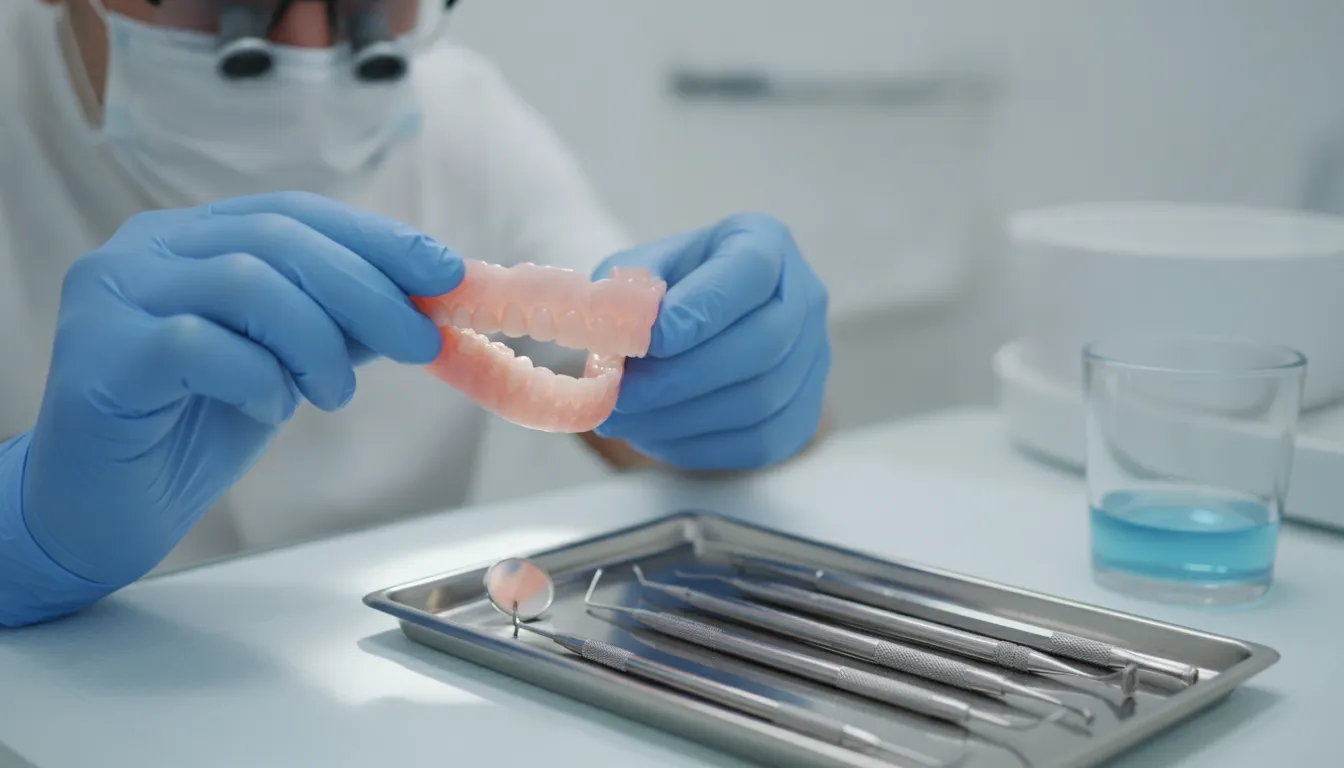
What should a post-delivery recall appointment include?
A set denture hygiene recall protocol helps you track patient health and denture life. For your team, a checklist ensures the same care for every patient who visits your office. These visits let you find small issues before they turn into big problems for the user. When you use a digital workflow, the exact fit means fewer visits for some. But the need for a regular check stays the same.
Assess patient comfort and function
Start each visit by asking how the denture feels in the mouth. Listen for notes on sore spots, speech issues, or any loss of fit during meals. Digital exactness in making these parts can often reduce denture changes after they are given to the patient. But regular checks are still needed to catch changes in the gums or bone over time. Ask the patient if they have noticed any clicking or slipping when they talk or chew.
You should also look for signs of wear or changes in how the teeth meet. If a patient feels a shift in fit, it might mean the shape of their mouth has changed. Finding these shifts early helps you keep the denture stable and easy to wear for a long time. Check the edges of the denture for any rough spots that could hurt the soft skin of the mouth.
Assess oral mucosal and supporting tissue health
Clinical rules show that regular recall visits are needed for denture users to prevent oral biofilm accumulation. During the exam, look at the health of the gums and the ridge. Check for redness, swelling, or white spots that could mean there is a germ growth. These issues can often happen if a patient does not clean their denture well enough at home.
Your team should also look at the face for any signs of strain or muscle loss. A good fit supports the face and helps the patient look and feel their best. By keeping a clear clinical workflow, you can track these health markers over many years. This data helps you know when it might be time to reline or replace the denture to keep the patient healthy.
Review home-care technique and biofilm control
The high-density PMMA used in AvaDent dentures provides great stain resistance and health benefits. During the visit, check that the surface stays smooth and free of plaque or tartar. A clean surface is key to stopping the growth of potentially pathogenic biofilm in the mouth. Even with a smooth surface, patients must still follow a daily cleaning plan to keep their mouth fresh.
Use these steps to guide your team through a standard recall visit:
- Check the patient's oral health and look at the soft tissues for any signs of ulceration, erythema, or biofilm accumulation.
- Test the current fit and how the teeth meet to ensure the denture stays stable during use.
- Perform a professional cleaning of the denture surface to remove any hard buildup or stains.
- Review how the patient cleans their denture at home and give tips on the best tools to use.
- Update your office records with notes on the denture's state and the patient's feedback.
- Set the next visit based on the patient's specific health needs and risks.
Good notes on each visit are vital for tracking long-term health results. By following this denture hygiene recall protocol, you help your patients avoid risks like pneumonia or gum disease. You can find more facts on care rules for fixed parts and those that can be taken out. Regular follow-up ensures that the digital design files stay ready if a new denture is ever needed. This proactive approach saves time for both the office and the patient while giving the best care.
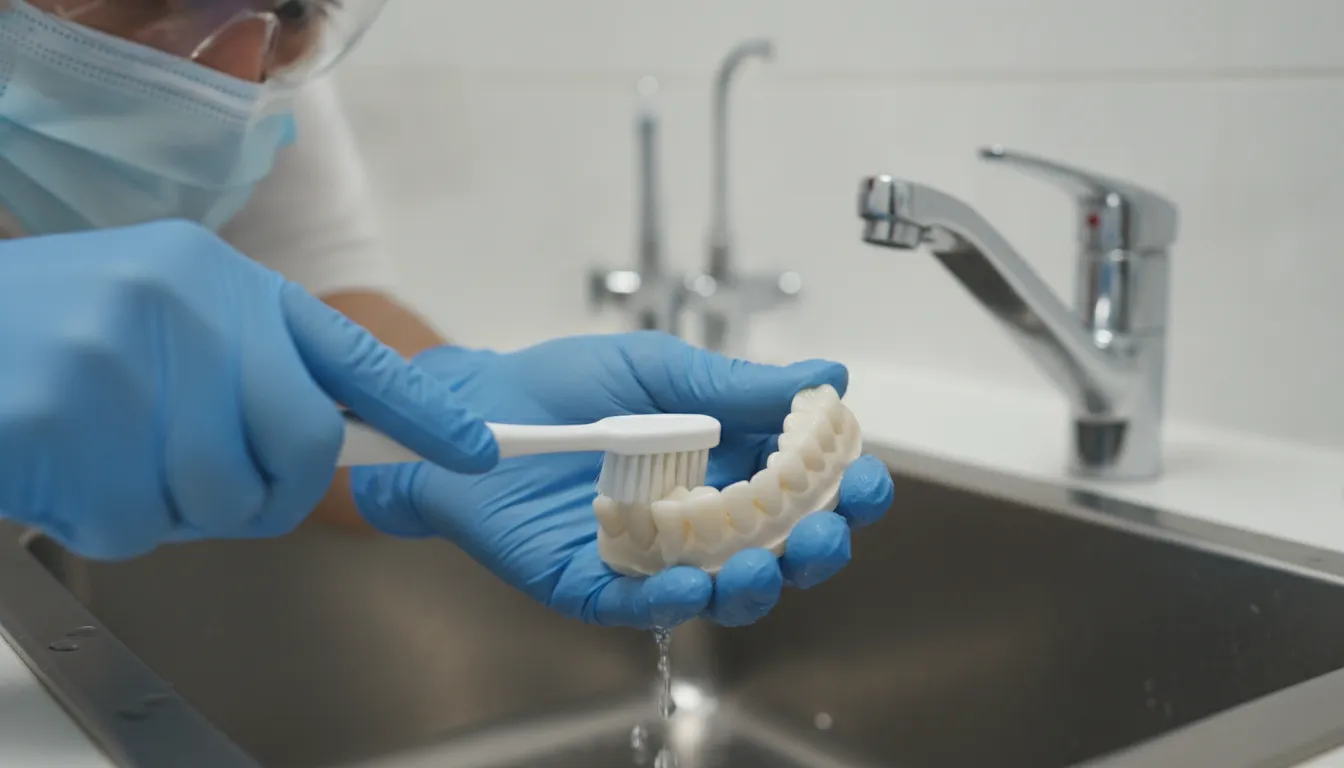
How should clinicians teach at-home denture cleaning?
A solid denture hygiene recall protocol starts with good home habits. You must teach patients how to clean their dentures every day. This helps control biofilm and supports the prosthesis's surface integrity. Patients should rinse their dentures after every meal to clean off loose food. They also need to brush the device at least once a day with a soft brush. Daily care stops plaque from building up and keeps the device looking new.
Good care starts with the right tools and a clear plan. You should explain that dentures need other care than their own teeth. Using the wrong tools can lead to damage or poor cleaning. By setting a clear path, you help your patients avoid pain and high costs. A daily routine is the best way to keep the mouth healthy for years. When patients know what to do, they feel more sure in their daily life.
Daily cleaning habits and handling
When you teach cleaning, focus on safe handling. Suggest that patients clean their dentures over a sink full of water. A soft towel in the sink also helps stop the device from breaking if it falls. Dentures can be slick when wet, so this safety step is key. Tell them to use a mild soap or a special denture paste. Most normal toothpastes are too rough and can scratch the surface. Surface abrasion can increase plaque-retentive areas.
Expert studies show that clear patient teaching is vital for long-term health. You should show them how to reach every part of the device. This is very important for the parts that touch the gums. If food stays there, it can cause sore spots or swelling. AvaDent monolithic dentures use high-density PMMA. This material is very smooth and helps resist stains. This high-quality material makes the daily cleaning job much easier for the patient.
Tissue health and overnight care
Cleaning the mouth is just as important as cleaning the denture. Ask your patients to brush their gums and tongue each day. They can use a soft toothbrush or a damp washcloth to boost blood flow and clean off plaque. Good tissue health is a key part of any long-term denture maintenance protocol. If the tissues stay healthy, the denture will fit better for a longer time.
You must also give clear rules for care at night. Most patients should take their dentures out before they sleep to let their gums rest. The device should stay in a container of clean water or a mild soak. Never use hot water, as it can warp the shape of the device. Storing dentures in water stops the material from drying out. This keeps the fit precise and the material strong over time. It leads to fewer clinic visits later on.
Clear tips and teach-back methods
To ensure a good denture hygiene recall protocol, use the teach-back method. Ask the patient to show you how they will clean the device. This lets you catch any mistakes right away. You can also see if they have trouble with the tools. Many older patient denture care routines benefit from simple brushes with large handles. If they can do it well in the office, they will likely stay on track at home.
Always give the patient written tips to take home. Use large print and simple words that are easy to read. This helps them keep the steps in mind when they are not in your chair. Explain which products to avoid, like bleach or boiling water. These can ruin the finish of an AvaDent device. By giving both verbal and written tips, you help the patient take charge of their care. This leads to better health results and happier patients.
How often should monolithic denture patients return?
A long-term denture maintenance protocol helps clinics manage patient health over many years. Regular checkups allow clinical teams to find small fit issues before they cause the patient pain or discomfort. For most healthy adults, a steady schedule keeps the oral tissues healthy and the device in good shape. This smart plan ensures that every patient gets the best care for their specific clinical needs.
Recall visits are a key part of oral health care that prevents long-term problems. These meetings help stop the spread of infections and keep the patient safe from systemic health risks. Poor care can lead to serious risks like pneumonia or gum disease that harm overall well-being. You must use a standard professional cleaning regimen during each visit to remove hard plaque.
Managing the early healing phase
After a patient gets a new device, they need close care to ensure success. The soft mouth tissues need time to adjust to the new shape of the prosthetic base. You might see the patient once or twice in the first month to monitor their progress. This allows you to check for sore spots and ensure a tight, comfortable fit for the patient.
Standard recall for stable cases
Once the mouth heals fully, most patients move to a regular, long-term plan. For low-risk cases, a six-month checkup is the common standard for maintaining oral health. During these visits, look for signs of wear or changes on the monolithic denture surface. If the device breaks or wears down, stored digital files help you get a fast replacement.
Some patients need more help from the clinical team to stay healthy. This group includes people with poor hand skill or chronic dry mouth issues. Older adults may also need a more frequent geriatric patient denture hygiene check to manage their care. This frequent care helps stop gum disease and keeps the patient feeling at ease.
| Patient Type | Recall Frequency | Main Focus | Clinical Goal |
|---|---|---|---|
| Post-Delivery | 1-4 weeks | Fit and healing | Find sore spots early |
| Stable Low-Risk | 6-12 months | Surface and bite | Keep the fit steady |
| Higher-Risk | 3-4 months | Tissue and hygiene | Stop gum disease |
Clinical teams must teach patients how to clean their dentures at home every day. Proper at-home care is just as vital as office visits for long-term health. Show them how to brush the device and soak it in a safe solution each night. Good at-home habits make the professional care plan much more helpful for the patient over time.
Always record what you see during each recall visit in the patient's chart. Note any changes in the mouth tissues or how the device fits the arch. If a patient misses a date, follow up fast to bring them back for care. Use automatic tools to send alerts that keep your clinical schedule full and steady.
Standardize tissue and prosthesis checks
A steady plan helps you find issues before they become big problems. For a good long-term denture maintenance protocol, you should check both the gums and the device. This work keeps your care steps smooth and helps patients stay healthy. It also saves time in the chair for both you and your patient.
Assess soft-tissue and periodontal health
Start by looking at the mouth and gums. You should check for red areas or sores caused by pressure. A regular denture hygiene recall protocol is key to stop oral infections. It also lowers the risk of health issues like pneumonia or gum disease. Look for signs of fungal growth or red spots under the base of the device.
You must note any changes in the mouth over time. Healthy tissue is vital for a good fit and patient comfort. If you find sore spots, you may need to fix the base of the part. Clear notes help you track how the tissue reacts to the device at each visit. This step is a core part of any professional oral care plan.
Verify prosthetic adaptation, retention, and stability
The next step is to test how the device sits in the mouth. You should check the fit, hold, and steadiness of the part. Digital exactness in the build often leads to fewer post-delivery adjustment appointments. But tissue changes can still affect the fit as time goes on. You must make sure that the device does not rock or move when the patient speaks or eats.
For removable devices, check the clips or parts for wear. For fixed plans, look at the implant sites for any signs of loose parts. Care rules often change based on if the plan is fixed or removable. This helps you find the right risks for each patient. A steady fit prevents bone loss and keeps the patient happy with their smile.
Evaluate bite and device wear
Check the bite and how the teeth meet. You should look for wear on the biting surfaces or small cracks in the material. Monolithic digital dentures use high-density PMMA to help with hybrid denture recall protocol needs. This material is strong and resists stains or dirt better than older types. Look for any chips or breaks that could lead to a crack later.
You should also look for heavy stains or food dirt on the surface. These can cause bad breath or lead to infection if they are not cleaned. Check that the surface is still smooth and free of damage. If the wear is too high, you may need to plan for a new device. Stored digital files make it fast and easy to get a new one that fits just as well as the first.
Recognize signs that require escalation
A standard denture hygiene recall protocol does more than just clean a prosthetic. It serves as a vital check to find issues before they become big problems. Clinicians must know when to move from simple care to a full clinical exam. This shift is needed when a patient shows signs of pain or structural failure. For many, a long-term denture maintenance protocol is the best way to catch these signs early. Regular checks help keep patients safe from risks like infections or other health issues.
Observe changes in soft tissue health
Oral health is a key part of total health for all patients. During a check, clinicians should look for red spots, sores, or white patches. These lesions may mean an infection is starting. Poor care can lead to serious risks like pneumonia or gum disease. If a sore spot does not heal in two weeks, it needs a close look. This is especially true for older patients who may have thinner tissues. Keeping a close eye on geriatric patient denture hygiene helps stop these issues from getting worse.
Clinicians should also watch for signs of fungal growth. Redness under the base often means the patient needs more training on how to clean the device. If the tissue looks puffy or bleeds, simple cleaning is not enough. The team must find if the cause is a bad fit or a medical issue. Correct steps and fast follow-up can lead to much better health outcomes. If the tissue does not improve, a reline or new device might be needed.
Monitor prosthetic fit and structural strength
A sudden change in how a denture fits is a major warning sign. It often means the bone or tissue has changed. Clinicians should check for cracks or chips in the base. When a device fails, a fast fix is needed to keep the patient happy. AvaDent digital dentures use high-density PMMA to offer better stain resistance and strength. Because the files are stored on a computer, a fast replacement is easy to get if a break does happen.
If the patient has a loose fit, they may try to use too much glue. This can make the hygiene problem worse. During the recall, the clinician should verify the fit to see if a reline or rebase is needed. A stable fit helps the patient eat and speak better. A clean surface is easier for the patient to maintain at home. This helps keep the mouth healthy and reduces the risk of new sores.
Evaluate implant-related symptoms and pain
For patients with implants, the check-up is even more vital. Clinicians must follow a hybrid denture recall protocol to watch for bone loss or loose parts. Signs of trouble include pain around an implant or a loose screw. Proper guidelines for fixed or removable tools help the team focus on the right risk factors. Catching implant issues early can save the prosthetic and protect the patient's health.
Unexplained pain is another reason to escalate care. If the patient feels a dull ache or sharp pain, the team should look for deep causes. It could be a nerve issue or a problem with how the teeth meet. Small changes in the bite can cause big pain over time. The clinician should check the bite and look for wear spots. If the pain stays, the patient may need a specialist to ensure the treatment remains a success.
Document each recall to improve continuity
Steady records are the core of a safe denture hygiene recall protocol. When your team tracks every fact, they can find small shifts before they turn into big risks. Clear notes help each staff member give the same top level of care. This focus on detail keeps people safe and helps your clinic run well.
Use clear notes and team handoffs
Your team should use one set way to write down each visit. Good notes help a doctor see how a person is doing over time. This includes tracking how clean the mouth is and the state of the gums. Proper clinical documentation can lead to better health outcomes for the person. It makes sure that every staff member knows what was done and what should happen next. Standard charts help when the hygienist talks to the doctor. If the hygienist sees a red spot or a loose fit, they must write it down. Photos can also help show shifts in the mouth. This visual record makes it easy to compare the current visit to old ones. When the whole team uses the same path, the person feels more sure about their care.
Track fit and surface health
At each check-up, the doctor should look at the state of the monolithic surface. AvaDent digital dentures use dense PMMA to stay clean and fight stains. But you must still verify the monolithic surface health and check the fit of the device. Checking the fit helps stop sores and makes sure the person can eat and speak well. A long-term denture maintenance protocol should also look for signs of wear on the teeth. While solid designs are very strong, they still face wear over time. Finding wear early lets you plan for a future reline or a new set. This smart move saves the person from sudden breaks or pain. It also keeps your work fast by stopping the need for quick fixes.
Support care with digital records
One big plus of digital dentures is how they store data. Digital design files stay on record for good. This makes it much easier to help a person if they lose or break their teeth. You can use stored digital design files to start a new set fast. There is no need for new molds or long wait times. This speed is a huge win for patient joy and trust. Teaching the person is also part of the record. Use a teach-back way to make sure they know how to clean their device at home. Write in the chart what the person said they would do. This builds a clear path for the next visit. If the mouth is not clean again, you can look back at the notes to see what advice they got. This helps keep the patient on track for better oral health.
Frequently Asked Questions
How often should denture patients attend a recall appointment?
Most dental practices suggest that patients visit at least once or twice per year. These visits allow for the early finding of issues with the denture or soft tissue. According to researchers, regular follow-up is vital to track patient health and ensure long-term success. Consistent checking helps dentists find possible problems before they become serious or costly.
Why is a regular recall important for denture wearers?
Regular recall visits help prevent serious health issues and maintain oral hygiene. Poor cleaning can lead to infections such as pneumonia or gum disease. According to the National Institutes of Health, good oral care is vital for patient comfort and safety. These visits also allow dentists to check for a proper fit and function. This proactive step helps reduce the risk of tissue sores and other problems over time.
What is included in a standard denture maintenance recall?
A standard visit involves a professional cleaning of the denture and a thorough oral exam. Dentists should check the monolithic surface for wear and verify that the denture still fits well. Based on AvaDent clinical guidelines, these visits also include teaching patients how to care for their dentures at home. Proper training and cleaning supplies help patients maintain their health. Professionals use this time to record changes and plan future care.
How does denture recall differ for tooth-borne vs implant-borne dentures?
Recall plans vary based on whether the denture is fixed or removable. Fixed dentures often need different cleaning tools and a focus on the health of the gums around the posts. According to clinical studies, guidelines are split to address the specific risks of each type. Dentists must change their maintenance steps to match the unique needs of the patient. This ensures that both the denture and the mouth stay in good condition.
Ready to improve your denture hygiene recall protocol?
Failing to set a clear hygiene plan can lead to poor oral health for patients and more time spent on fixes you could have avoided. Starting a firm recall plan now ensures your monolithic digital dentures stay in top shape while helping you catch fit issues before they get worse. By acting today, you can lower patient complaints, save your team from extra stress, and keep your clinical workflow running at a fast speed now.
Ready to set up your practice for success? You can view our monolithic denture solutions online right now to learn more and contact AvaDent to discuss monolithic digital denture workflows for your dental clinic in person here today.